A Maple Ridge councillor suggests using a land trust model
By Diego Flammini
Staff Writer
Farms.com
On Tuesday, Maple Ridge, B.C.’s city council agreed to consider a new way to protect prime farmland.
Councillor Gordy Robson sponsored the motion asking the Agricultural Land Commission (ALC) to “explore the use of a land trust model to acquire farmland that would be made available to qualified parties for farm purposes.”
If the ALC decides to look at a land trust system, officials would have to decide which level of government owns the land, who administers the trust and who selects the farmers for the trust.
Under this type of land trust, a government buys farmland from producers and leases it to other farmers who plan to use the land for agricultural production.
The land trust would be different from the current system.
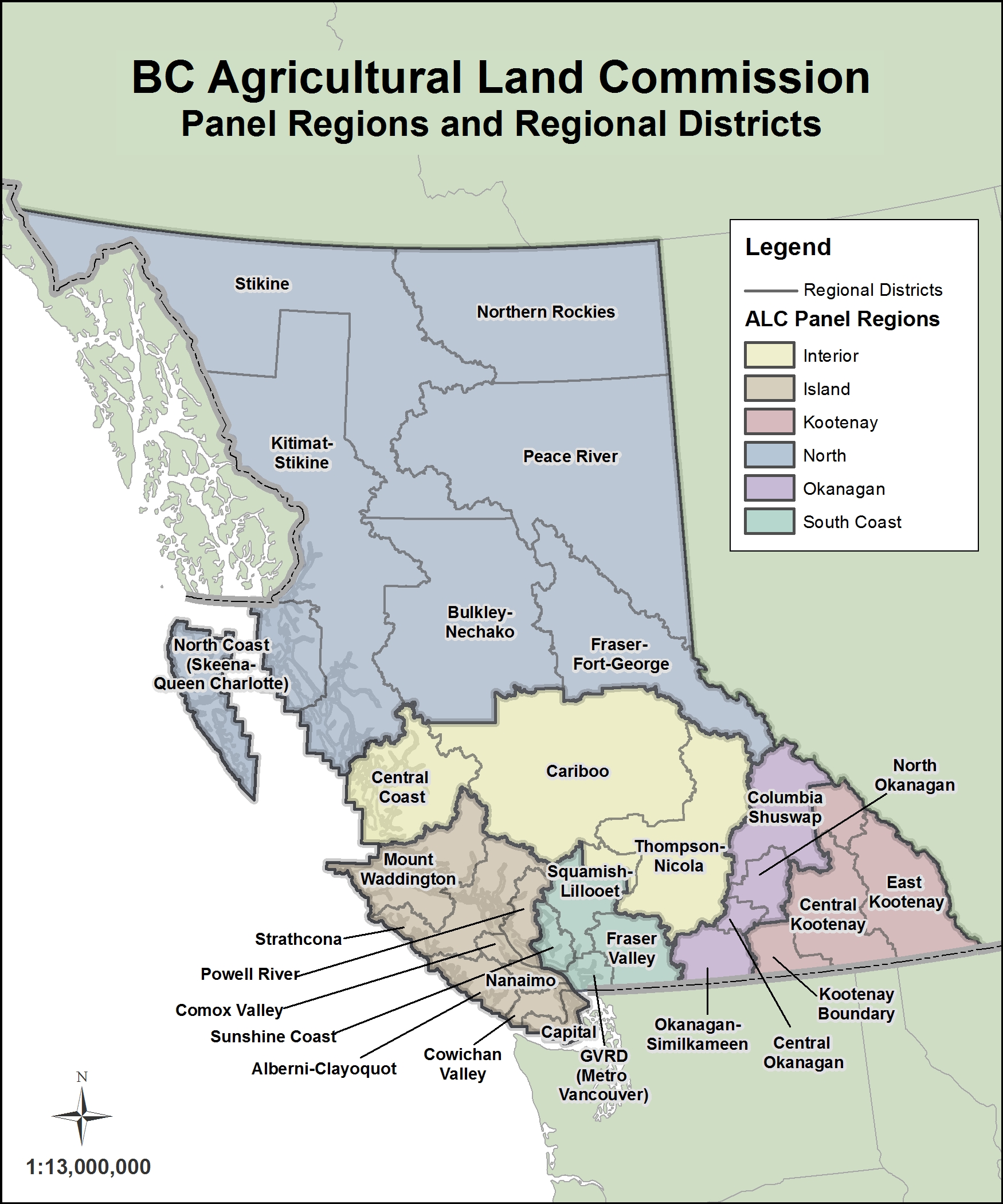
The ALC independently oversees the 4.6 million acres of provincial land within the Agricultural Land Reserve (ALR).
And this approach does not appear to be preserving farmland.
Residential and other non-ag developments have occurred within the ALR.
A mansion built on ALR land, for example, drove the property value up by more than 9,000 percent in January.
“This fight has been going on for over 40 years – the farmland is eventually losing,” Robson said, Maple Ridge News reports. “If we’re going to preserve farmland forever, we have to do something different.”
Robson explored the farmland trust idea during his time as mayor of Maple Ridge between 2005 and 2008. Other communities were also interested but the idea fell by the wayside as governments changed, he said.
At least one other councillor supports Robson’s motion.
“I like the idea, I think it should be explored, and I’ve heard of this happening in other places,” Coun. Craig Speirs said, Maple Ridge News reports.
Farms.com has reached out to Robson for comment on the proposal.
Gordy Robson photo