The province’s hazelnut association celebrates nine years and counting
The Ontario Hazelnut Association is holding its ninth annual Hazelnut Symposium in London today.
Over 135 attendees are participating in the full-day conference at the Four Points Sheraton in London, Ont. The group is learning and sharing information about the production of hazelnuts in Ontario.
Speakers at the symposium include staff from OMAFRA, the Ontario Soil and Crop Improvement Association, and Agriculture and Agri-Food Canada. In addition, industry speakers include Growers Mineral Solutions, Grimo Nursey and Ferrero. The topics covered include soil health, agronomic information, food safety issues and marketing. At the end of the day, a grower panel is designed to provide first-hand insights into production.
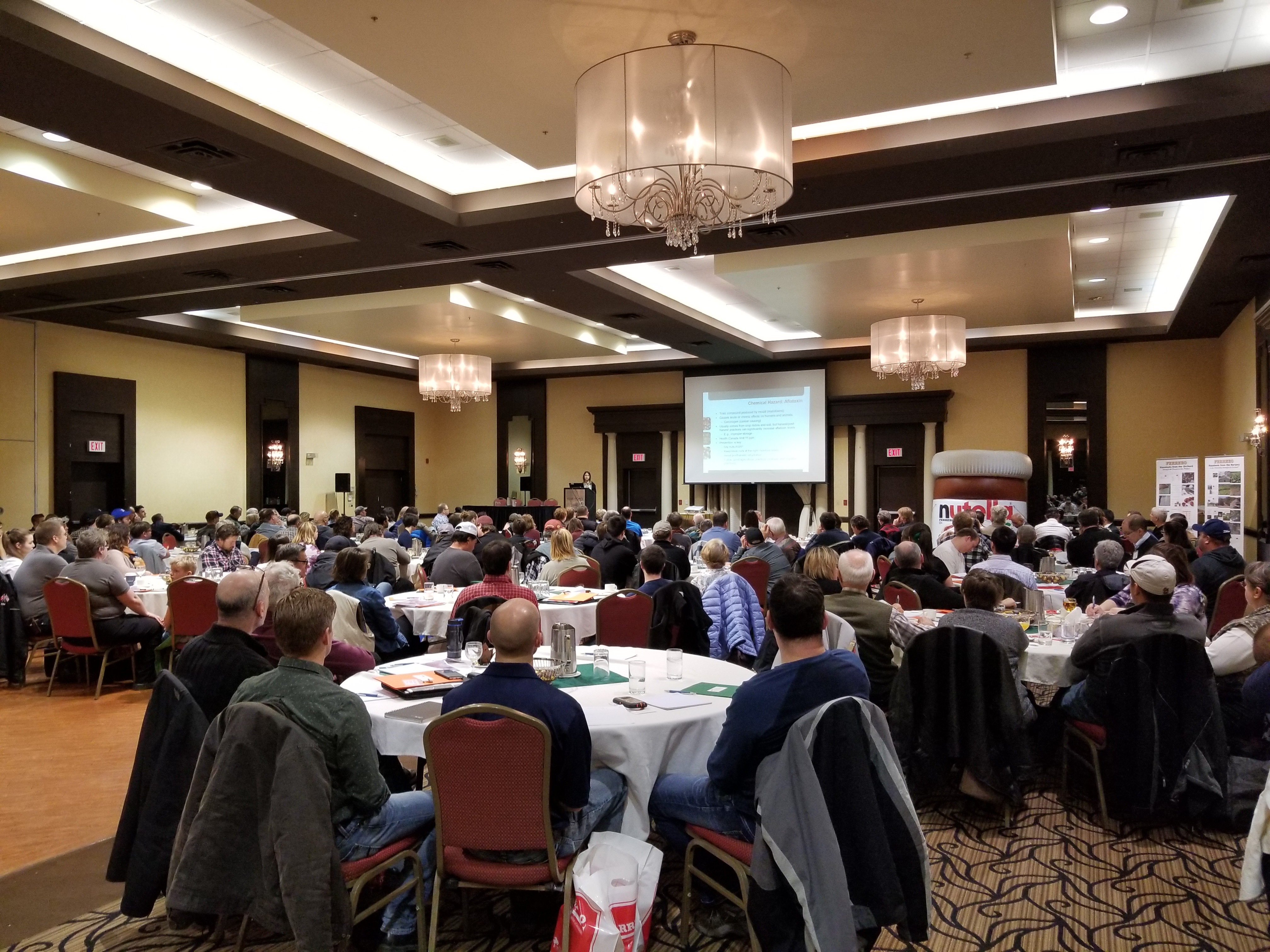
“The Association is very pleased with the fantastic turnout of today. We are equally thrilled with the strong line-up of speakers and participants. We expect another excellent Symposium this year,” Linda Grimo, chair of the Ontario Hazelnut Association said.
The industry in Ontario has been growing through the establishment of new orchards as well as the expansion of existing ones. Anchored by the large Ferrero processing plant in Brantford, the potential for hazelnuts in the province is substantial.