New information is released regarding CSPC membership and equity in biomass supply chain
By Jennifer Jackson
Exciting opportunities continue to arise for innovative corn and wheat growers in Ontario. The Cellulosic Sugar Producers Cooperative (CSPC) recently released farmer equity information for its agricultural biomass supply chain project.
The CSPC, along with Comet Biorefining and Bioindustrial Innovation Canada, announced plans to create a biomass supply chain in November 2014. The planned Sarnia plant will turn corn stover and wheat straw into dextrose sugar.
As the campaign furthers in development, the CSPC provided producer equity and membership information for those wanting to join the program, in an Oct. 25 release .
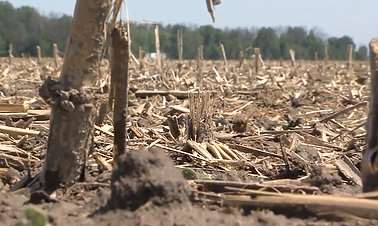
Photo: CSPC
CSPC members will own equity stakes in the facility, according to the release. Producers will be paid for every tonne of biomass supplied, in addition to their share of the plant’s cash flow.
Interested producers must become an approved CSPC member, and must be able to supply corn stover and wheat straw for the plant. Members are required to buy subscription shares. They will sign agreements outlining the equity investment, and the number of acres committed to biomass production.
“The development of the bio industrial economy and the biohybrid cluster in Sarnia produces a great opportunity for local producers to be a part of the supply chain,” says Sandy Marshall, executive director of Bioindustrial Innovation Canada. “It’s a way to generate more revenue for the producer and (for the producer to) be part of the emerging bio-economy.”
Opportunities for feed stocks will only increase as the biohybrid cluster expands, according to Marshall.
“Producers need to take an active role in developing new markets based on new technologies coming to market as we partner with Comet Biorefining,” says Dave Park, CSPC president and a director of Grain Farmers of Ontario, in the release.
CSPC will host field demonstration days for general producer information, as well as to showcase the proper protocol and equipment to bale and stack the stover. The field days will be on Nov. 8 in Forest, and on Nov. 10 in Bothwell. More information can be found on CSPC’s website, www.cspcoop.com.