Farmers may need more space to accommodate storage facilities
By Diego Flammini
Assistant Editor, North American Content
Farms.com
Nobody would leave their 1969 Chevrolet Camaro Z28 uncovered and exposed to the elements, so why would farmers to the same with any of their machinery?
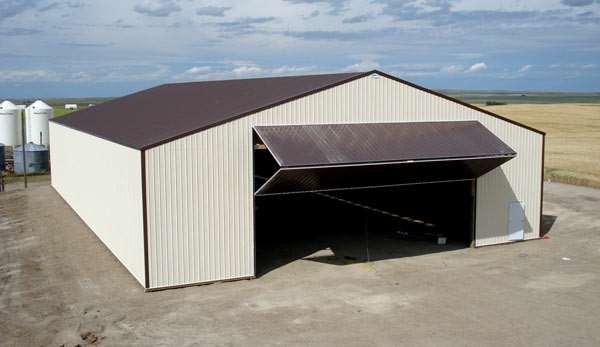
As equipment has grown in size and sophistication, so have the storage facilities farmers’ use to house tractors and combines.
“Within the last five years, you’ve really seen a trend of these things going to 70, 80 or 90 feet (wide), clear span, with no support,” Justin Sobaski, vice president of Eastern Iowa Building told Missouri Farmer Today.
“Lately we’ve noticed customers requesting wider and higher buildings to fit all sizes of machinery, large doors that are easy to operate, plus a building that also looks nice and adds to the aesthetic value of their property,” said Menards Spokesperson Jeff Abbott.
Another trend being noticed is including a heated workshop; Josh Nowlin, a general sales manager for Quality Structures, said it’s cost effective to put everything under one roof.
The larger the building, the stronger it needs to be to withstand snow and other elements.
Upgraded paint, spray insulation, house wrap and post protectors are all available options to keep buildings safe and durable.