Farms.com Home   Ag Industry News

Changing farm ownership dynamics to be highlighted at workshop

Workshop scheduled for June 2016

By Diego Flammini
Assistant Editor, North American Content
Farms.com

The way farms are owned has changed and a new workshop is designed to provide farmers with the knowledge they need to adapt.

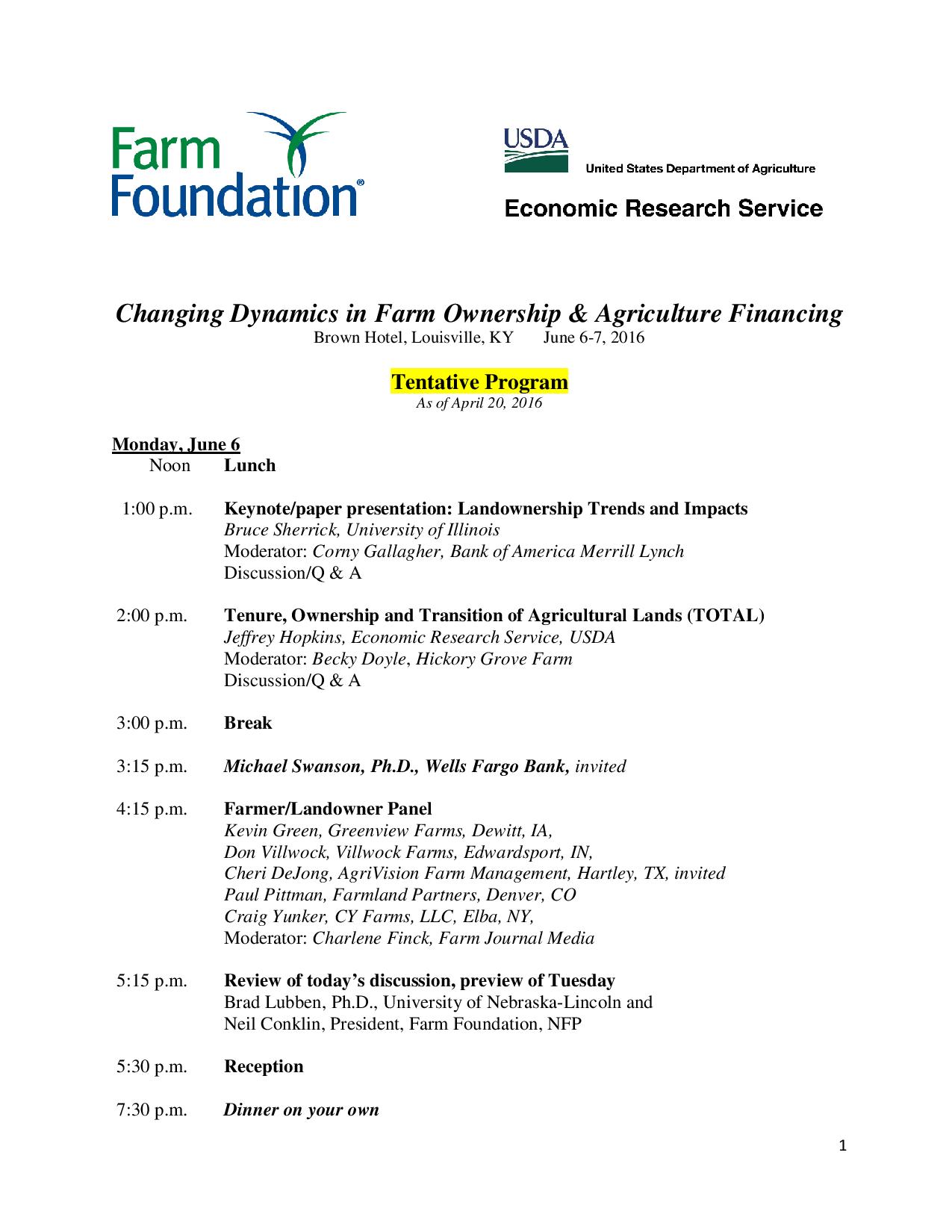
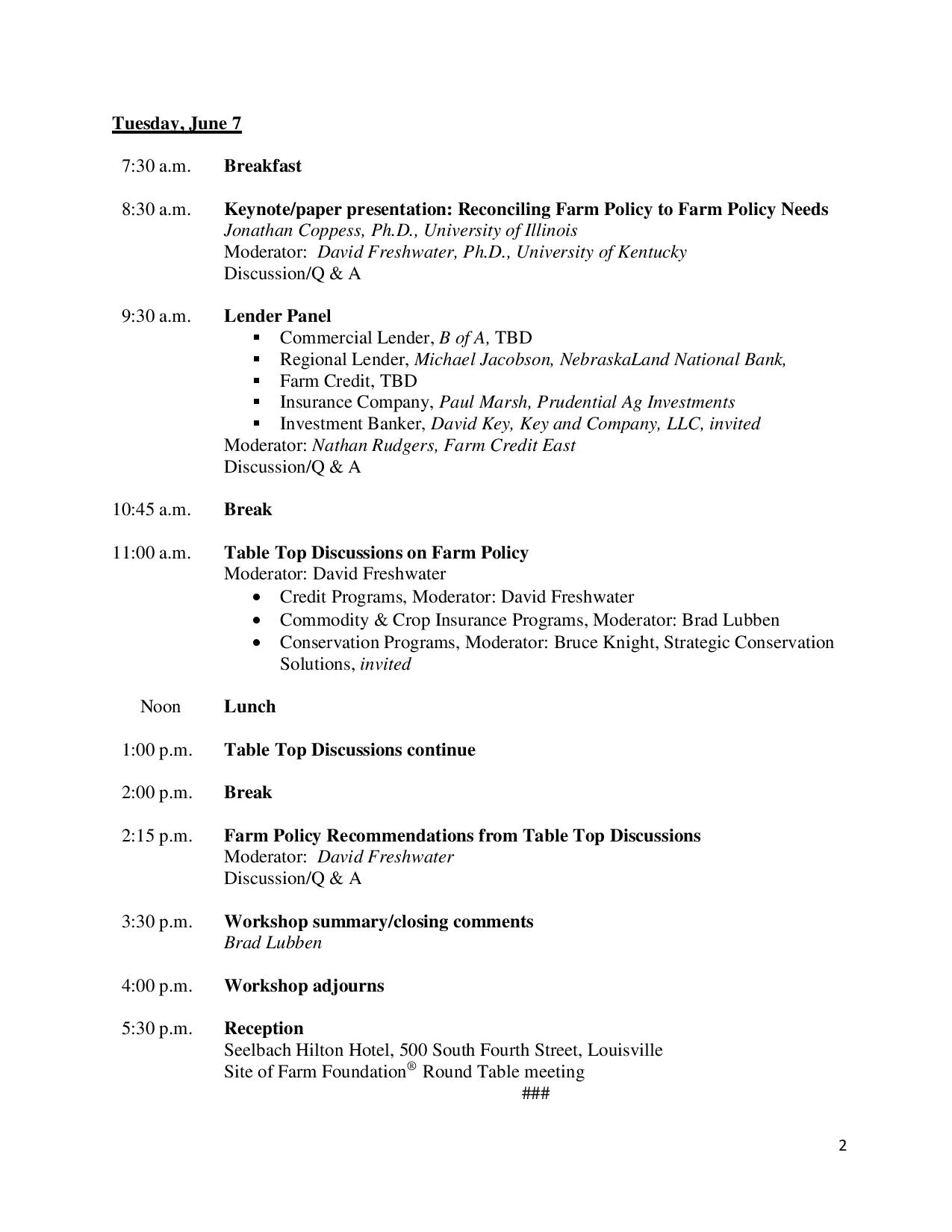
The workshop is scheduled for June 6 and 7 at the Brown Hotel in Louisville, Kentucky; organizers say many factors have contributed to the change in farm ownership dynamics.

“It is clear that trends in farmland ownership and tenure patterns are changing,” said Farm Foundation, NFP President Neil Conklin in a release. “This workshop will explore the current interest in farmland, the players driving it and the implications for farmland ownership and tenure.”
Workshop

Workshop

"Several years of strong commodity prices, combined with high market demand, fueled investor interest in agricultural resources worldwide," he said. "Commodity prices have cooled significantly, but interest in farmland investments remains strong."

Conklin said the workshop is targeted to farmers, landowners, agribusinesses, investors and members of public policy communities because all are “key players whose actions are shaping the trends in farmland ownership and agricultural finance which, in turn, has potential implications for the social and political environments in which they operate.”

The workshop is free to attend but those interested must register.


Trending Video

Evolution of Beef Cattle Farming

Video: Evolution of Beef Cattle Farming

The Clear Conversations podcast took to the road for a special episode recorded in Nashville during CattleCon, bringing listeners straight into the heart of the cattle industry. Host Tracy Sellers welcomed rancher Steve Wooten of Beatty Canyon Ranch in Colorado for a wide-ranging discussion that blended family history and sustainability, particularly as it relates to the future of beef production.

Sustainability emerged as a central theme of the conversation, a word that Wooten acknowledges can mean very different things depending on who you ask. For him, sustainability starts with the soil. Healthy soil produces healthy grass, which supports efficient cattle capable of producing year after year with minimal external inputs. It’s an approach that equally considers vegetation, animal efficiency, and long-term profitability.

That philosophy aligned naturally with Wooten’s involvement in the U.S. Roundtable for Sustainable Beef, where he served as a representative for the Colorado Cattlemen’s Association. The roundtable brings together the entire beef supply chain—from producers to retailers—along with universities, NGOs, and allied industries. Its goal is not regulation, Wooten emphasized, but collaboration, shared learning, and continuous improvement.