Considered responsible for soybean varieties used by farmers today
By Diego Flammini, Farms.com
It’s never easy when an area of work loses someone who was so influential and important to it.
Many people mourned when Apple CEO Steve Jobs passed away the same way fans of Nirvana's music did when Kurt Cobain passed.
When it comes to farming and agriculture, and specifically in soybean circles, many are mourning the passing of Dr. John Dudley Hicks, Jr. He passed away recently at the age of 79.
He spent 25 years with Pioneer Hi-Bred International where he developed many of the soybean varieties found in farmer’s fields.
“Southern soybean farmers have benefited greatly from Dr. Hicks’ contributions,” said Wendell Stratton, president, Stratton Seed Company, Stuttgart, Arkansas in an interview with Southeast Farm Press. “He was quiet-spoken, but we all listened when he spoke. He was one of the real gems of the early private seed breeding business, and we all had the highest regard for him and his work.”
Website Justia Patents credits Dr. John Dudley Hicks Jr. with six soybean varieties. The earliest, according to the website, came in 1997/98 when he invented variety 97B61. His last one was in 2005/06 when he, along with Mark Jeffrey Hood invented soybean variety XB57T05.
“The products he helped deliver,” Robert Wichmann, who worked with Dr. Hicks as the Corporate Vice President of the North American Seed Division, “helped enhance productivity for thousands of southern soybean growers. His is a remarkable story, and a wonderful legacy for young researchers to follow. He will be missed.”
Join the conversation and tell us if you’ve ever met Dr. Hicks. Did you use any of the soybeans he invented? Did you know it was him who invented them?
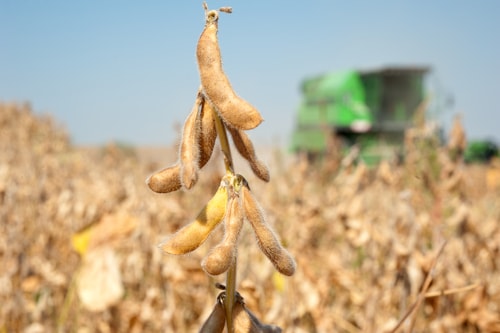
Soybeans