Farms.com Home   Ag Industry News

Even more mobile apps for farmers

Tools for farmers in the palm of their hands

By Diego Flammini, Farms.com

Is there an app for that?

In this day and age, more than likely. From shopping and banking to travel times and restaurant locations, mobile apps are becoming the way many people consume their information.

Agriculture is no stranger to technology and has wide variety of apps available, turning the farmer’s mobile phone into a mobile office, allowing them to more efficiently track all the activity on their farms.
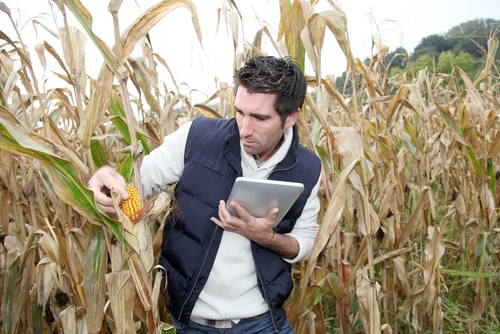
Farming with tablet

Here are some new apps and technology that can help farmers maximize their time in the fields while being able to compile detailed information about their farms.

F-Track Live
This app, available for Apple and Android devices made its debut during Beef Week Australia earlier in May. It comes with a livestock manager that can track movements, treatments and sales over multiple properties.

The crop manager tracks all spraying, tilling, and harvesting while the silo manager and fuel inventory keeps records of grain quality and fuel usage and storage, respectively.

The app is free to download and offers a variety of purchase options afterwards.

FarmSolutions
FarmSolutions is a multi-purpose application where farmers can perform a variety of tasks including automated irrigation control, and using soil sensors to get a better reading of soil moisture levels.

The application starts at $499 depending on the kinds of services the farmer wants included.

Tell us your thoughts on the increase of technology being used in farming. What kind of apps do you currently use? Would you consider using any of the ones mentioned?

If adding apps to your farm operation is something you’re considering, visit the apps page to search through the best apps that suit your needs.


Trending Video

Will the 2025 USDA December Crop Report Be a Market Mover/Surprise?

Video: Will the 2025 USDA December Crop Report Be a Market Mover/Surprise?


Historically, the USDA December crop report is a non-event or another dud report as the USDA reserves any final supply changes to the final report in January of the following year in this case 2026. But after the longest U.S. government shutdown in history at 43 days and no October crop report will they provide more data/surprise and make an exception?
Our China U.S. soybean purchase tracker is now at 26.6% or a total of 3.2 mmt but for traders it’s taking too long to unfold.
The final Stats Canada production report was bearish canola and wheat projection a record crop in both (it adds to the global glut of supplies) and bullish local corn and soybean prices in Ontario/Quebec thanks to a drought. It will not help the fund flow short-term, the USDA may need to offset it?
A U.S. Fed interest rate cut of another 25-basis point next Wednesday (probability 87.1%) could help fund flow and sentiment in stock and ag commodities into year end.
More inflows into Bitcoin this past week saw prices rebound back above 90,000 with support at 82,000 and resistance at 96,000.
A V-shaped bottom in cattle suggest the lows are in after Mexico reported another new world screwworm case. Lower weights, seasonal demand and higher U.S. beef select/choice values with a continued closure of the Mexican border to cattle will result in a resumption of higher cattle futures into yearend.
Australia is expected to produce its 3rd largest wheat crop ever at 36 mmt adding to the global glut of supplies.
Reports of ASF in hogs in Spain the largest pork exporter in Europe could see the U.S. win more pork export business long-term.
If the rains verify into next week of 3-5 inches for Brazil it would go a long way to fixing the dry regions from the last 2-months, but the European weather model has been wrong for the past 2-months!
Natural gas futures are surging to the 3rd price count as frigid hold temps set in.
CDN $ is also surging to end the week on a very resilient economy and better employment numbers suggesting no interest rate cuts next week.
Finally, the CFTC report showed funds were net buyers of soybeans but sellers of corn, canola and wheat. In real time the funds have gone back to selling as they take some profits.