Farms.com Home   Ag Industry News

Farm Power: This Case IH 620 Quadtrac just sold for $480K

Steiger Series tractor highlights Ritchie auction

Farm Auction Report
By Farms.com Media

This 2014 Case IH 620 Quadtrac tractor sold for $480,000 at a Ritchie Bros. auction in Bonanza, Alberta on March 30.

Specs: 295 Hours, powershift LH rev, diff lock, 6 hyd outlets, aux hyd, 1000 PTO, 36 in. tracks, eng brake, twin hyd pumps, 110 GPM, AFS Pro 700 Display, 372 receiver, auto steer, deluxe cab, HID lighting, sight glass kit, 184 driveline hrs.
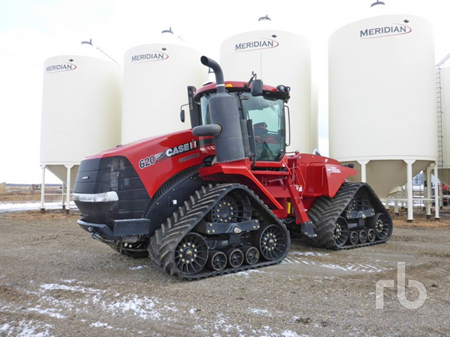
Case IH Quadtrac

It was Ritchie’s largest on-the-farm auction ever, selling more than $24 million worth of land and equipment.

Nearly 2,200 buyers from 26 countries took part in the auction, including more than 1,300 online participants who were responsible for purchasing about 24 per cent of the total items.


Trending Video

Dicamba Returns for Georgia Farmers: What the New EPA Ruling Means for Cotton Growers

Video: Dicamba Returns for Georgia Farmers: What the New EPA Ruling Means for Cotton Growers

After being unavailable in 2024 due to registration issues, dicamba products are returning for Georgia farmers this growing season — but under strict new conditions.

In this report from Tifton, Extension Weed Specialist Stanley Culpepper explains the updated EPA ruling, including new application limits, mandatory training requirements, and the need for a restricted use pesticide license. Among the key changes: a cap of two ½-pound applications per year and the required use of an approved volatility reduction agent with every application.

For Georgia cotton producers, the ruling is significant. According to Taylor Sills with the Georgia Cotton Commission, the vast majority of cotton planted in the state carries the dicamba-tolerant trait — meaning farmers had been paying for technology they couldn’t use.

While environmental groups have expressed concerns over spray drift, Georgia growers have reduced off-target pesticide movement by more than 91% over the past decade. Still, this two-year registration period will come with increased scrutiny, making stewardship and compliance more important than ever.