Everything Old is New Again – Growing Hops is catching the attention of Several Producers in Ontario
Denise Faguy, Farms.com
You may have noticed something different in a few fields in Ontario. Since mid-August, hop harvest has begun in Ontario, and depending on location and weather conditions, will likely be underway for another few weeks. Melanie Doerksen, President of the Ontario Hop Growers’ Association (OHGA) and co-owner of the “Carolinian Hop Yard”, says hop farmers are accustomed to people stopping their cars to look at the hops growing in the field. “Most people who stop have never seen hops growing in Ontario before.”
It hasn’t been a great growing season, with the wet spring and start to the summer. Many hop producers saw their fields impacted by downy mildew and similar problems, then later the “the pests came” says Doerksen, who has been grown hops for the past 4 growing seasons with her husband on their farm in Norfolk County. “Unfortunately, yields will be lower than in previous years,” Doersken continues, “The good news is, the crops that thrived are looking good in terms of quality.”
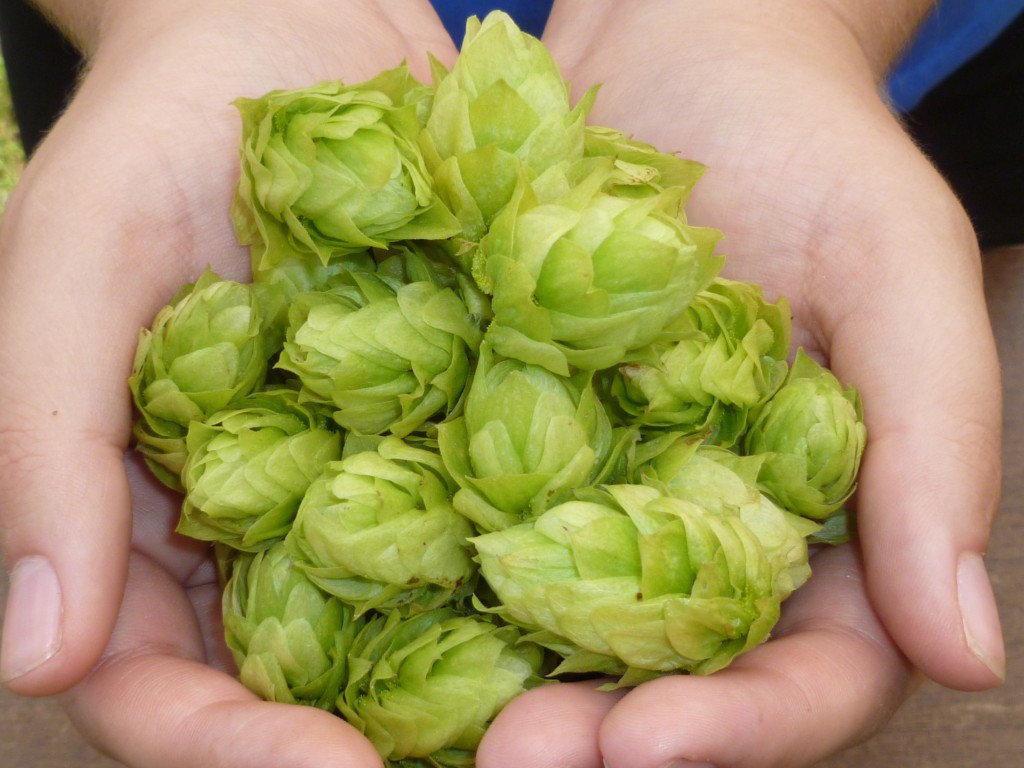 Hop producers had virtually disappeared in Ontario; up until the early 1900s hops were a crop that you would have seen in many parts of the province. But, for a variety of reasons, such as fewer independent brewers, hops virtually disappeared as a crop in Ontario. When asked what is causing the return of hops as a viable crop in Ontario, Doerken responds that the growth in craft brewers and the push towards local food/drink has encouraged producers to grow hops.
There are currently only about 30 acres of hops grown in Ontario; several different varieties are grown. The challenge for hop producers is that there is no infrastructure to help harvest and process the crop, so getting into the hop growing business is expensive. But Doerken and the OHGA are eager to see the return of hops as a commercially grown crop in Ontario.
Think your farm is up to the hop growing challenge? Doerken recommends asking yourself two key questions before you plant your hops:
- “Have you spoken to a brewer for a contract?” she highly recommends having a contract with an established brewer before you get started.
- “How do you plan on processing, picking, drying, bailing, and pelletizing your hops?” Doerken says it OK if you do not currently own all of the necessary equipment, but you need to have access to, or make arrangements to access the right equipment and processing facilities.
Resource: Ontario Hop Growers Association