Many organizations were involved in its creation
By Diego Flammini
Assistant Editor, North American Content
Farms.com
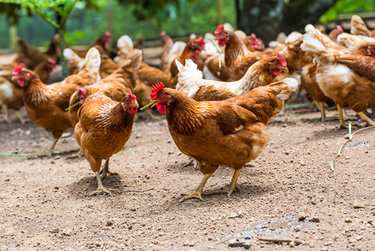
A number of poultry-related organizations have worked together with the National Farm Animal Care Council to release a revised Code of Practice for the Care and Handling of Hatching Eggs, Breeders, Chickens, and Turkeys.
Some of the updates in chicken and turkey care include:
- A shift in lighting regimens, which now require farmers to provide their birds with a minimum of four hours of dark time per day to rest (up from 0-1 hours per day).
- New requirements for immediate vet care for sick and injured birds.
- New requirements for humane euthanasia.
“The Code of Practice supports the sustainability of Canadian poultry industries and the success of farmers,” said Vernon Froese, poultry farmer and Chair of the Code Development Committee in a release. “Stakeholder commitment is the key to ensuring that quality animal care standards are established and implemented”
The Code Committee included input from poultry farmers, enforcement representatives, researchers, hatcheries, transporters and processors. The public was also invited to provide its input.