OMAFRA is studying camelina’s viability in the province
By Diego Flammini
Staff Writer
Farms.com
Researchers are conducting field trials to determine if an oilseed crop popular in Western Canada can also be successful in Ontario.
Camelina, which (like canola) is part of the brassica family, can be planted in late fall or early spring. Some winter varieties are also frost tolerant, which could serve Ontario growers well, said Jim Todd, an industrial crops specialist with OMAFRA.
“We’ve heard of the crop being planted on frozen land in December and still having a crop come up,” Todd told Farms.com today.
OMAFRA researchers are in their second year of camelina trials. They are studying the success of producing another cash crop after a camelina crop, which farmers can harvest after between 80 and 100 days.
“We’re looking at the crop’s potential for double cropping,” said Todd. “It’s a very interesting short-season oilseed crop. Being able to plant it in the fall, like winter wheat, and still get in a crop of soybeans afterwards means you can get double the value off of your land.”
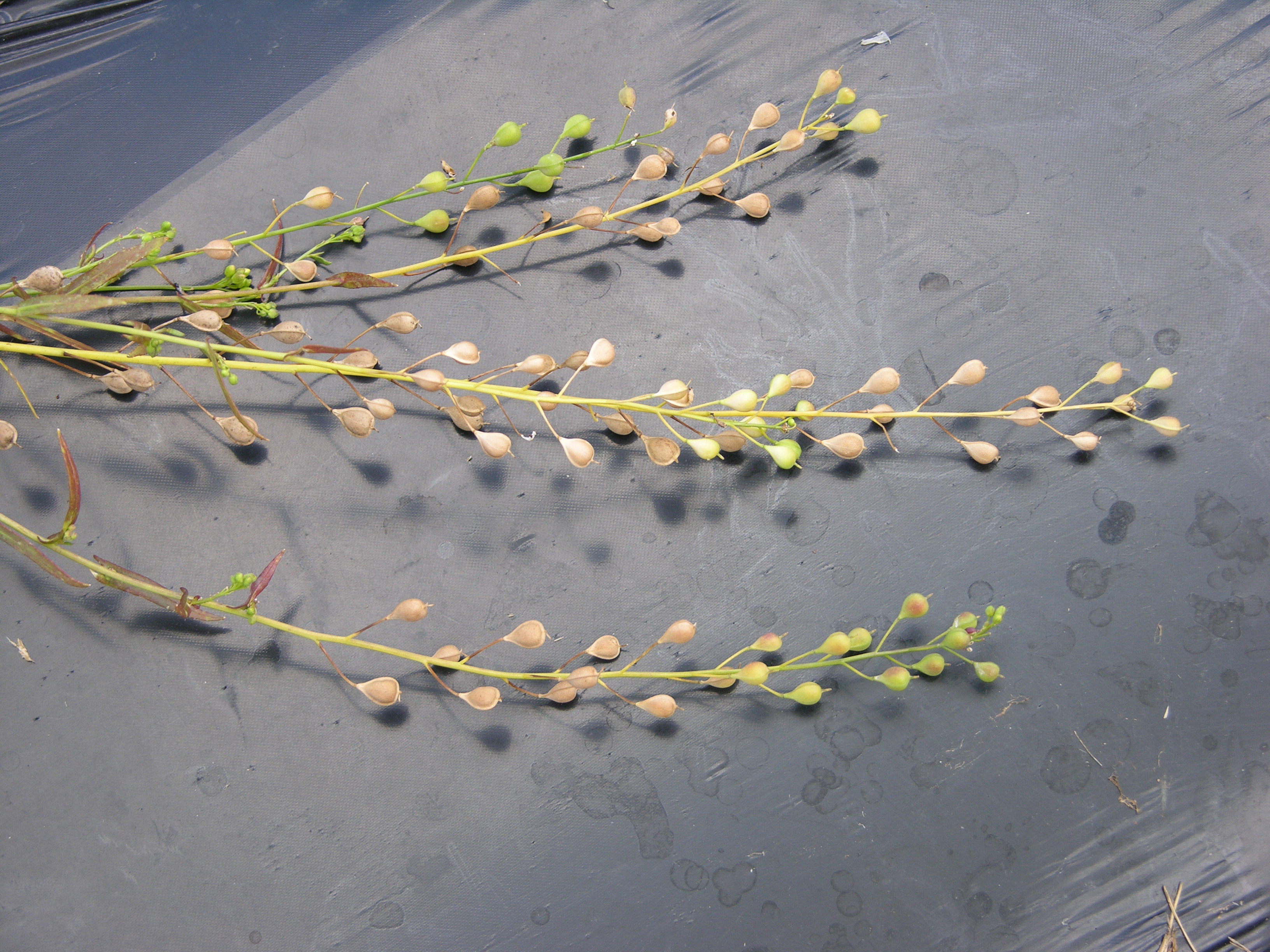
Camelina seeds
OMAFRA photo
Despite these potential benefits, the scientists have experienced challenges during the trials.
A camelina seed is only about 2mm long, which can cause equipment issues, Todd said. Getting consistent germination has also been an issue, he said, adding that once the crop is established it can be quite robust.
Todd and his team are also studying spring camelina varieties for intercropping within a winter wheat crop.
“We let the wheat grow to about six or eight inches, then we come in and plant the spring camelina,” he said. “Once the wheat comes off, you have another few weeks before you harvest the camelina.”
Reportable camelina yield data is unavailable at this time, he said.
Once the crop is harvested, a range of marketing opportunities exist.
“The meal has been approved for poultry feed and the oilseed itself has some interesting opportunities as well,” Todd said.
Camelina oil can be used for cooking and in skin care products.
Top photo: Camelina plants in field
OMAFRA photo