Data collected at the Thunder Bay Agricultural Research Station
By Diego Flammini
Assistant Editor, North American Content
Farms.com
Some farmers in northern Ontario are using available data to make better use of their lands.
Mark Bolt turned part of his dairy farm into a commercial cash crop by planting 166 acres of winter rye, which will be transported to Canada Malt Company and Richardson Elevator.
Part of his reasoning for doing so is the research results from Tarlok Singh Sahota, the director of research, at the Thunder Bay Agricultural Research Station.
His research included experimenting with different crops that perform well in Thunder Bay’s short and unique growing season.
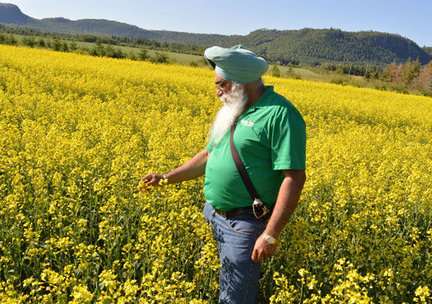
Tarlok Singh Sahota
Photo: Chronicle Journal
According to The Chronicle Journal, Sahota found that winter wheat, canola, alfalfa, winter rye and flax can handle Ontario’s north.
One dairy farmer planted corn and saw great results.
The Chronicle Journal reports that after feeding the cows corn for 10 days, the farmer noticed a three litre milk increase per cow, per day, as well as improved butter fat content from 3.9 per cent to 4.4 per cent.
Sahota said there are three distinct elements that affect crops: genetics, management and weather.
“You need a high quality of seed that is planted at the optimum time with the proper balance of fertilizers,” he told The Chronicle Journal. “Optimum plant population, or the right amount of seed will produce a healthy stand.”