Farms.com Home   Ag Industry News

Own two acres of land in outer space…sort of

What would you plant up there anyway?

By Diego Flammini
Assistant Editor, North American Content
Farms.com

Farmers looking for their next parcel of land may consider looking

to the stars and beyond.

For only £10, or about $14 U.S., people can own two acres of lunar land on the moon if they purchase it from discount website GROUPON.

After an online registration, landowners receive a certificate of ownership, a photobook, moon map and a 3D digital atlas, allowing them to pinpoint their plot.

What’s the surface of the moon like, anyway?
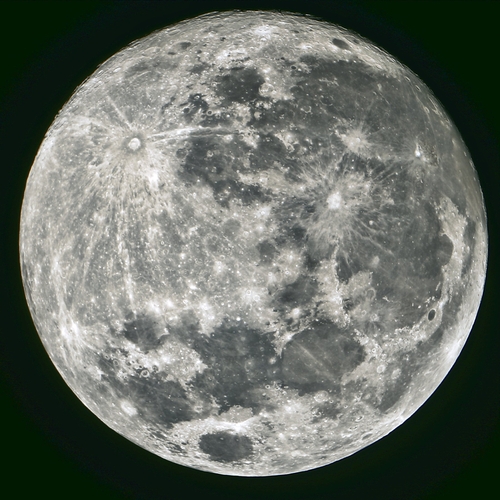
The moon

According to Popular Science, soil from the moon can be made up of t

he nutrients plants require other than reactive nitrogen and a steady water supply.

A 2014 study on whether or not plants could be grown on the moon or Mars said that it’s possible but more research is needed.

Speaking of Mars, there’s real estate available on the red planet also.
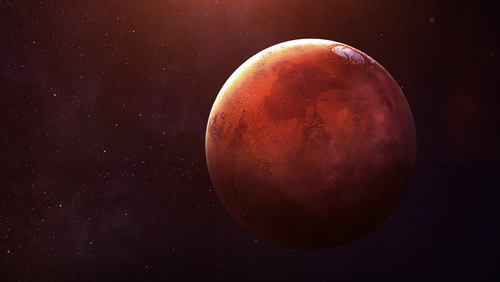
Mars

For $15, landowners receive a deed with their name, a map of the plot’s location and boarding pass to Mars should they want to visit.

At least in Hollywood’s eye, Mars is a viable location for crops.

In the Matt Damon movie The Martian, his character successfully plants and harvests potatoes on Mars.

According to NASA, the planet does have the nutrients plants would need to survive. However, depending on where the plot is located on Mars, the levels of nutrients could vary.

Comment below and tell us what you’d try to plant on the moon or Mars if given the chance.

Farmers in the market for terrestrial land options can visit the Farms.com Real Estate page. 


Trending Video

Finding a Balance of Innovation and Regulation - Dr. Peter Facchini

Video: Finding a Balance of Innovation and Regulation - Dr. Peter Facchini

Regulations help markets and industry exist on level playing fields, keeping consumers safe and innovation from going too far. However, incredibly strict regulations can stunt innovation and cause entire industries to wither away. Dr. Peter James Facchini brings his perspective on how existing regulations have slowed the advancement of medical developments within Canada. Given the international concern of opium poppy’s illicit potential, Health Canada must abide by this global policy. But with modern technology pushing the development of many pharmaceuticals to being grown via fermentation, is it time to reconsider the rules?

Dr. Peter James Facchini leads research into the metabolic biochemistry in opium poppy at the University of Calgary. For more than 30 years, his work has contributed to the increased availability of benzylisoquinoline alkaloid biosynthetic genes to assist in the creation of morphine for pharmaceutical use. Dr. Facchini completed his B.Sc. and Ph.D. in Biological Sciences at the University of Toronto before completing Postdoctoral Fellowships in Biochemistry at the University of Kentucky in 1992 & Université de Montréal in 1995.