An Ontario pig farm is charged with violating the Occupational Health and Safety Act
By Jennifer Jackson
A pig farm from Nanticoke, Ont. is facing a $55,000 fine following a court sentence in Brantford on May 27. A judge charged Paragon Farms, a swine breeding and farrowing farm partnership between Great Lakes Pork Inc. and Ontario Management Group Inc., with violating the Occupational Health and Safety Act (OHSA). A farm employee was injured as a result, according to a May 30 release.
In Dec. 2015, a farm employee at Paragon Farms injured himself while using a pressure washer to clean stalls.
The employee tripped as he walked into the stall, dropped the spray gun and suffered water spray to his face. The worker was treated in a hospital emergency unit but now suffers a permanent injury.
The pressure washer trigger was zip-tied in an “open” position and delivered between 2,000 to 2,300 psi of pressure, according to the release.
When the incident occurred, Paragon had a pressure washer safety policy and a personal protective equipment (PPE) policy. These policies stated eye protection or a face shield is required when operating the washer. The policies also prohibited any strapping of the pressure washer’s trigger to keep it turned on.
Paragon trained their workers on these policies, as well as held periodic health and safety meetings. The farm supplied workers with safety glasses. Most of the workers wore the glasses throughout many tasks. Some workers, however, refrained from using safety glasses while pressure washing due to glasses fog-up from the moisture.
Paragon’s management team was aware of the staff failure to wear necessary eye protection and did not actively ensure workers wore safety glasses when pressure washing, according to the release.
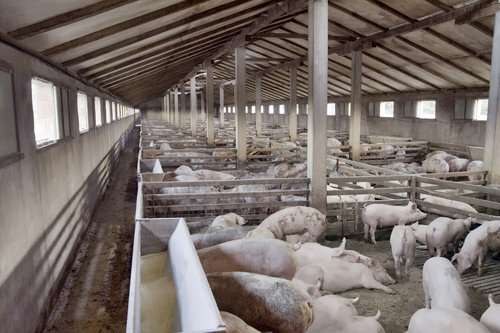
Audrey Green Summers, Justice of the Peace, charged Paragon with violation of Section 25(2)(h) of the Occupational Health and Safety Act. This section “states that an employer must take every precaution reasonable in the circumstances to protect the health and safety of a worker,” the release said. Paragon did not enforce the use of proper eyewear and therefore threatened the safety of a worker.
Since the incident, Paragon made changes to their management practices for the use of pressure washers. The farm prohibited the use of zip-ties around the trigger of the washer and reduced the water pressure to 1,800 psi. The farm also invested in anti-fogging glasses and enforces strict eyewear use.
In addition to the $55,000 fine, Summers “imposed a 25-per-cent victim fine surcharge as required by the Provincial Offences Act. The surcharge is credited to a special provincial government fund to assist victims of crime,” the release said.