Farms.com Home   Ag Industry News

Rural optimism following natural gas news

Eastern and Western Wardens' Caucus joined OFA in Queen's Park

By Jennifer Jackson
Farms.com News Team

Farmers have reason for optimism today, as a new province-wide partnership puts added pressure on plans to extend natural gas access beyond city lines.

The Ontario Federation of Agriculture (OFA) was joined at Queen’s Park today by both the Eastern and Western Ontario Wardens’ Caucus chairs in Toronto to express the need for natural gas in rural Ontario.

Together the new partnership has made it their goal to work with both the provincial government and gas companies to achieve pipeline installation across the province over the next 20 years.

Benefits of natural gas were outlined by OFA president Don McCabe. “Access across the province could save Ontario farmers, business owners and rural residents more than $1 billion annually in energy costs.”
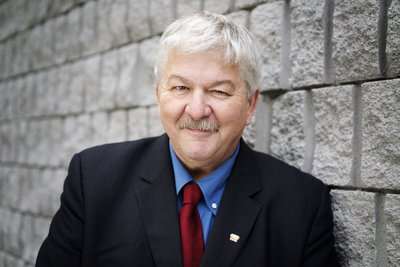
Don McCabe
Don McCabe

Farm leaders have stated their concerns that increasingly high energy costs are not sustainable for communities or farm operations.

“Natural gas is the answer to reducing energy costs, developing our businesses and growing our rural communities,” noted mayor and chair of the Western Ontario Warden’s Caucus Randy Hope.

Access to natural gas – and the associated cost savings – have been an OFA priority for some time. The federation said today they expect the new partnership to bring increased attention to the issues.


Trending Video

Evolution of Beef Cattle Farming

Video: Evolution of Beef Cattle Farming

The Clear Conversations podcast took to the road for a special episode recorded in Nashville during CattleCon, bringing listeners straight into the heart of the cattle industry. Host Tracy Sellers welcomed rancher Steve Wooten of Beatty Canyon Ranch in Colorado for a wide-ranging discussion that blended family history and sustainability, particularly as it relates to the future of beef production.

Sustainability emerged as a central theme of the conversation, a word that Wooten acknowledges can mean very different things depending on who you ask. For him, sustainability starts with the soil. Healthy soil produces healthy grass, which supports efficient cattle capable of producing year after year with minimal external inputs. It’s an approach that equally considers vegetation, animal efficiency, and long-term profitability.

That philosophy aligned naturally with Wooten’s involvement in the U.S. Roundtable for Sustainable Beef, where he served as a representative for the Colorado Cattlemen’s Association. The roundtable brings together the entire beef supply chain—from producers to retailers—along with universities, NGOs, and allied industries. Its goal is not regulation, Wooten emphasized, but collaboration, shared learning, and continuous improvement.