Farms.com Home   Ag Industry News

Saskatchewan farmers worried about possible crop damage due to snowmobiles

Early snowfalls have delayed harvests around the province

By Diego Flammini
Assistant Editor, North American Content
Farms.com

The recent snowfalls in Saskatchewan have brought out the province’s snowmobilers, but farmers are concerned they may be damaging the crops remaining under the snow.

“People have anywhere from 1,000 acres to 3,000 acres out in the fields around here that haven’t been combined yet, so it’s a bad situation for the winter,” Dolores Buckingham, who farms with her husband about an hour away from North Battleford, told CKOM.

Buckingham said fences on her property have been cut where snowmobilers are making their way through. She said this actioncould prove problematic for farmers with livestock.

“People who have livestock, all of a sudden their livestock are running around. You know, it’s a danger to anyone who is out on the roadways,” she told CKOM.
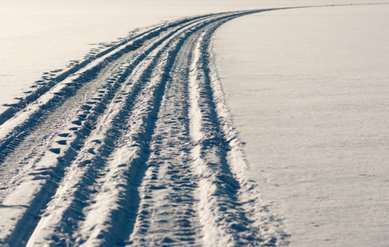
The crops buried under the snow also attract wildlife, which in turn may bring hunters onto farmers’ fields.

“We try to police ourselves a little bit and we certainly would recommend that if you see anybody doing something that ethically or legally they shouldn’t be doing – to call the tips line,” Darrell Crabbe, executive director of the Saskatchewan Wildlife Federation, told CKOM.


Trending Video

Evolution of Beef Cattle Farming

Video: Evolution of Beef Cattle Farming

The Clear Conversations podcast took to the road for a special episode recorded in Nashville during CattleCon, bringing listeners straight into the heart of the cattle industry. Host Tracy Sellers welcomed rancher Steve Wooten of Beatty Canyon Ranch in Colorado for a wide-ranging discussion that blended family history and sustainability, particularly as it relates to the future of beef production.

Sustainability emerged as a central theme of the conversation, a word that Wooten acknowledges can mean very different things depending on who you ask. For him, sustainability starts with the soil. Healthy soil produces healthy grass, which supports efficient cattle capable of producing year after year with minimal external inputs. It’s an approach that equally considers vegetation, animal efficiency, and long-term profitability.

That philosophy aligned naturally with Wooten’s involvement in the U.S. Roundtable for Sustainable Beef, where he served as a representative for the Colorado Cattlemen’s Association. The roundtable brings together the entire beef supply chain—from producers to retailers—along with universities, NGOs, and allied industries. Its goal is not regulation, Wooten emphasized, but collaboration, shared learning, and continuous improvement.