Report covers from November 15 to 21
By Diego Flammini
Assistant Editor, North American Content
Farms.com
Saskatchewan’s Ministry of Agriculture released its latest crop report, and regardless having to face adversity this harvest season, producers managed to get a majority of the crops off.
“Despite many challenges this fall, Saskatchewan producers now have 95 per cent of the crop combined,” says the report, which covers from November 15 to 21. “Harvest continues in many parts of the province as weather and field conditions permit.”
However, the report also states that some crops will likely be left out until next spring.
A variety of challenges including insects and fusarium mean crop quality across the board may be below average, but yields look like they haven’t suffered as much.
“Yields overall are well above average for the majority of crops, but vary throughout the province,” the report says.
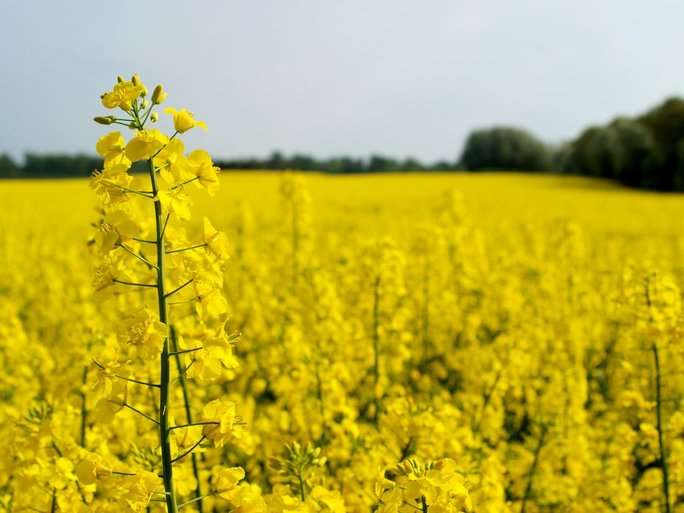
Hard red spring wheat yields are reported at 45 bushels per acre; durum is at 48 bushels per acre; oats at 92 bushels per acre; barley at 69 bushels per acre; canola at 40 bushels per acre; peas at 42 bushels per acre and lentils at 1,098lbs. per acre.
Alfalfa yields on dry land are reported at 1.6 tons per acre; 1.7 tons per acre for alfalfa/brome; 1.4 tons per acre for other tame hay; 1.2 tons per acre for wild hay and 2.2 tons per acre for greenfeed.
With producers running out of time, it’s an all hands on deck scenario.
“Farmers are busy trying to complete harvest, drying grain, finishing fall work and hauling grain,” the report said. “Neighbours are helping neighbours finish harvest.”