The American company purchased elevators in Wapella and Gull Lake
By Diego Flammini
News Reporter
Farms.com
Grain elevators in Wapella and Gull Lake, Sask., were recently sold to Pipeline Foods, a Minnesota-based company focused exclusively on non-GMO and organic food and feed.
The elevator in Wapella, located about two hours east of Regina, handles 3,500 metric tonnes (MT) of grain annually. Pipeline’s purchase of the elevator includes the installation of a main line rail switch. The switch will reconnect the elevator with the Canadian Pacific Railway after more than a 15-year absence.
The facility in Gull Lake is about three hours west of Regina and handles 4,000 MT of grain each year.
Both elevators are also located along the Trans-Canada Highway.
Pipeline will store, screen and blend barley, corn, rye, flax, lentils, oats, peas, soybeans and wheat, before shipping the grain by truck or rail.
Pipeline plans to invest between $300 and $500 million in agriculture in the next three to five years, according to a Sept. 20 release announcing the sale of the Saskatchewan grain elevators.
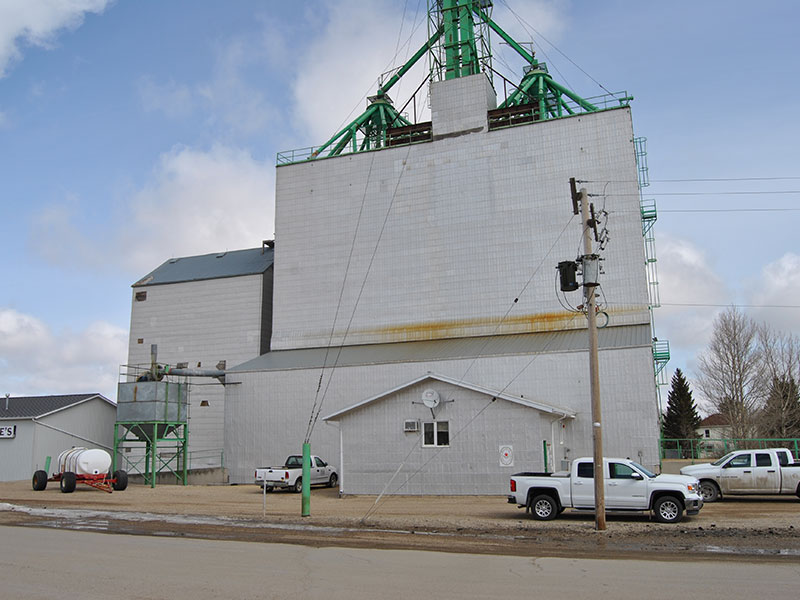
Wapella grain elevator
Each elevator will move 25,000 tonnes of product in 2018 and there are plans to increase capacity, Pipeline said in the release.
If Canadian agriculture is part of the company’s investment strategy, it should be celebrated as good news, according to Todd Lewis, president of the Agricultural Producers Association of Saskatchewan (APAS).
“When more (companies) invest in Saskatchewan and build new facilities in the province, it’s a positive story overall,” Lewis told Farms.com today. “(Pipeline’s purchase) reflects how there’s more choices for producers to sell their product and that there’s opportunities for new markets.”
And the local communities are encouraged by the potential benefits of Pipeline’s investments.
“The addition of staff at the elevator will create more support for our local businesses, and Pipeline Foods’ big investment in elevator infrastructure will create additional tax revenue for our town,” Sandy Hintz, mayor of Wapella, said in the release.
Top photo: Gull Lake grain elevator