Rural Ontario Institute highlights changing demographics
Brian Hess
Farms.com
Rural Ontario’s population continues to climb at a slower rate than cities, according to the Rural Ontario Institute’s (ROI) recently-released Consensus.
Non-metro Ontario residents comprised 19 per cent of Ontario’s population in 2016 – down from 20 per cent in 2011.
Ontario still has the largest rural population of all Canadian provinces, according the ROI.
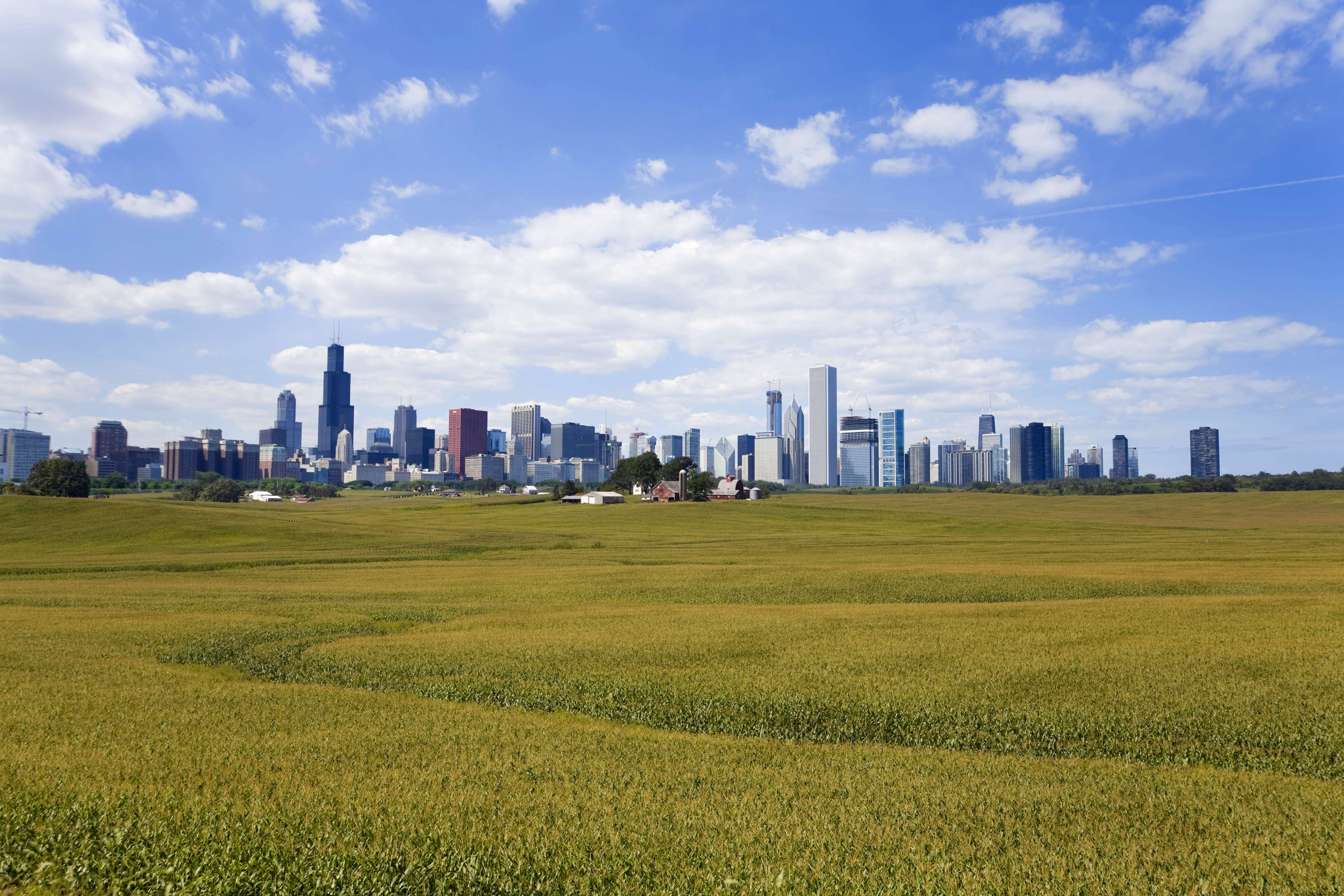
plusphoto/iStock/Getty Images Plus photo
The province’s rural residents totalled 2.5 million last year.
Non-metro areas have grown 2 per cent since 2011. Numbers have continued to rise since 1966.
Other key statistics include:
• Approximately one in five Ontarians live outside of a metropolitan region.
• Rural areas tend to grow more slowly than urban areas.
• Population growth in large rural areas over time results in some of these areas being reclassified as urban.
The Consensus, released every five years, has become an eagerly anticipated document.
“The value of this report is that people interested in how their area is doing can compare themselves to overall trends,” Norman Ragetlie, Director of Policy and Stakeholder Engagement at the ROI, said in the release.
“We see regional differences in rates of growth and decline and differences within regions, where some communities next door to one another are growing and others declining.”