Farmers can purchase Hurricane Insurance Protection – Wind Index endorsement
By Diego Flammini
Staff Writer
Farms.com
The USDA’s Risk Management Agency (RMA) has introduced a new crop insurance option for eligible farmers.
The RMA unveiled its Hurricane Insurance Protection – Wind Index (HIP-WI) endorsement yesterday.
The insurance “covers a portion of the deductible of the underlying crop insurance policy when a county, or a county adjacent to it, is within the area of sustained hurricane-force winds.”
Those winds must come from a named hurricane that’s published by the National Hurricane Center at the National Oceanic and Atmospheric Administration.
HIP-WI provides coverage for 70 different crops including corn, soybeans, wheat, barley, cotton and grain sorghum.
The coverage is available to farmers in counties stretching from Texas and Florida all the way up the Atlantic coast to Pennsylvania, New York and Maine.
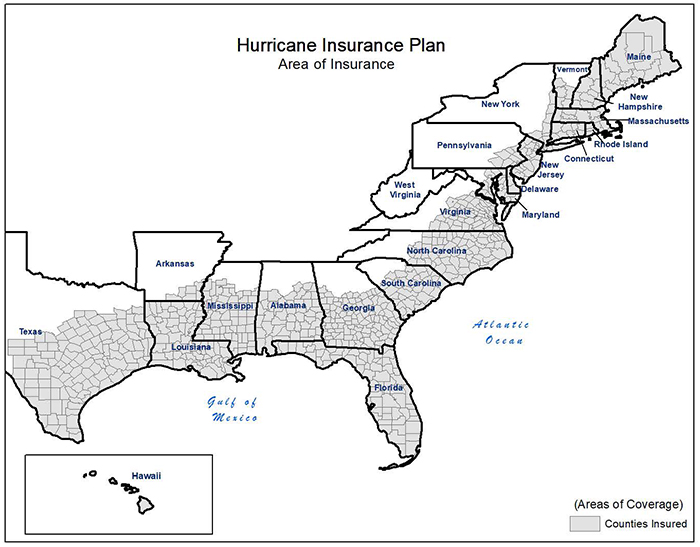
“Hurricane season will be upon us before we know it,” Martin Barbre, administrator of the RMA, said in a Feb. 27 statement. “This new hurricane endorsement provides some added protection for producers along the Gulf and east coasts as well as Hawaii.”
The recent hurricane seasons have underscored a need for this type of coverage, he added.
To be eligible for the coverage, a farmer must have an insurance policy under the Basic Provisions with the same insurance provider, elect HIP-WI on or before the closing date of April 30, 2020 and elect a coverage percentage.
Farms.com has reached out to producers and the American Farm Bureau Federation for comment.
Hurricane Dorian/NASA photo