Farms.com Home   Ag Industry News

Warm summer thunderstorms expected around Ontario

AccuWeather releases 2017 forecast

Brian Hess

Farms.com

This summer is shaping up to bring rounds of thunderstorms to Ontario. Severe weather is expected to increase in July and August.

Humidity is not anticipated to be a threat – no tornado risk is forecasted.  

“This (lack of humidity) is due to cold fronts passing through the region on a regular basis, limiting the frequency that RealFeel® Temperatures reach dangerous levels,” Brett Anderson, AccuWeather Canadian weather expert, said in a release yesterday.
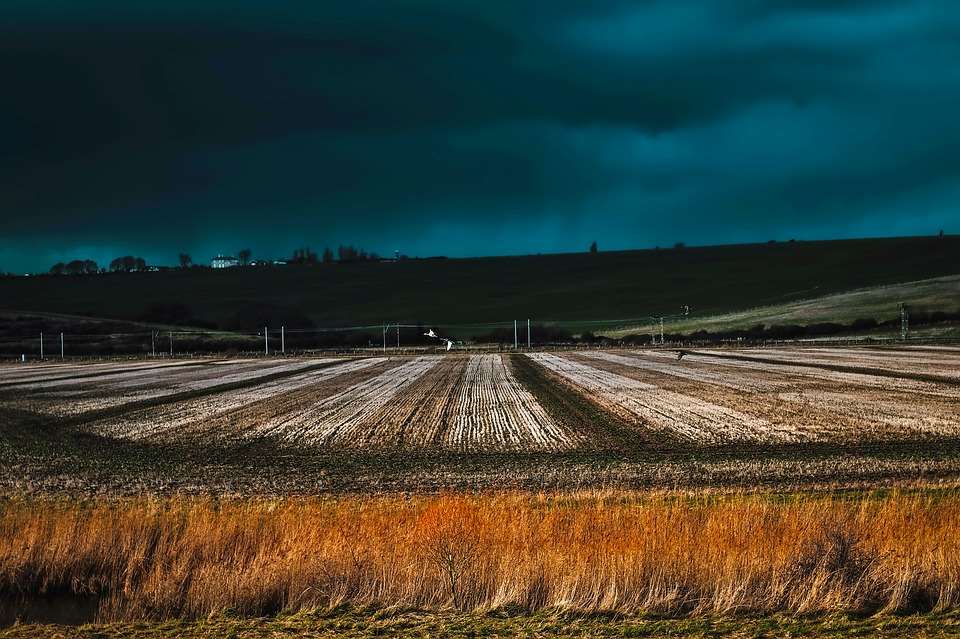
pixabay.com, landscapestorm

AccuWeather generates these projections based on past trends. The company compares current ocean temperatures, overall weather patterns and precipitation records to past records, dating back to 1950.

Water temperature of the Great Lakes has a major impact on climate in Ontario and northern states. A mild spring and lack of surface ice over the lakes suggests our climate will warm up rapidly, an AccuWeather report analyst said in a telephone interview.

Cold ocean water on the coasts is responsible for the cool spring, he said.

Ontario temperatures at the start of May are expected to be one of two degrees lower than average for this time of year, but are projected to rise towards the end of the month.

Mid-western Ontario will be hit with torrential rain in the next 36 hours. AccuWeather predicts storms to clear up next week.


Trending Video

Evolution of Beef Cattle Farming

Video: Evolution of Beef Cattle Farming

The Clear Conversations podcast took to the road for a special episode recorded in Nashville during CattleCon, bringing listeners straight into the heart of the cattle industry. Host Tracy Sellers welcomed rancher Steve Wooten of Beatty Canyon Ranch in Colorado for a wide-ranging discussion that blended family history and sustainability, particularly as it relates to the future of beef production.

Sustainability emerged as a central theme of the conversation, a word that Wooten acknowledges can mean very different things depending on who you ask. For him, sustainability starts with the soil. Healthy soil produces healthy grass, which supports efficient cattle capable of producing year after year with minimal external inputs. It’s an approach that equally considers vegetation, animal efficiency, and long-term profitability.

That philosophy aligned naturally with Wooten’s involvement in the U.S. Roundtable for Sustainable Beef, where he served as a representative for the Colorado Cattlemen’s Association. The roundtable brings together the entire beef supply chain—from producers to retailers—along with universities, NGOs, and allied industries. Its goal is not regulation, Wooten emphasized, but collaboration, shared learning, and continuous improvement.