The Ford 5000 is a faithful standby in my personal tractor arsenal, and it may deserve a space in your barn too.
IN THE SHOP with Rachel
By Rachel Gingell
Farms.com
Because I buy, repair, and sell tractors for a living, I've gotten used to having an ever-rotating stock of tractors to use for chores around our small family farm. Sometimes the tractors we have in stock are really useful, and sometimes...well, not so much! After being stuck in a jam with not-so-good tractors, my family decided we needed to have just one tractor that's not for sale. We considered which tractor would provide the most value for the dollar and be a faithful standby. The Ford 5000 was our top pick. Here's why.
The Ford 5000 was manufactured in Michigan (my home state!) from 1965 to 1976. These tractors are plentiful and easy to find parts for, especially here in the Midwest. Many parts are interchangeable between the Ford 5000 and its sister models, the Ford 2000, 3000 and 4000.
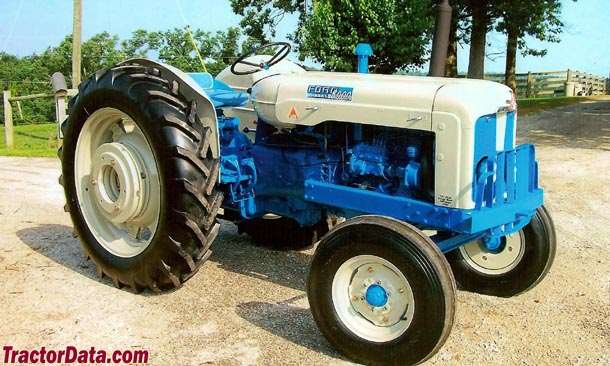
Ford 5000
Photo: TractorData.com
While the Ford 5000 is available with both diesel and gasoline engines, I have a strong preference for the diesel model. The 3.8L 4-cylinder diesel engine is fuel efficient, simple to repair and very reliable. The fuel efficiency is so strong that we purchased a PTO-driven generator to run our house and shop in the event of a power outage. With just a few gallons of diesel fuel, the Ford 5000 can run the huge generator for hours.
The Ford 5000 came with a choice of a standard or select-o-speed transmission. While the select-o-speed transmission was a huge advancement for its time, it's not as smooth as modern power-shift transmissions and can be tricky to repair. I recommend keeping things simple with the standard manual transmission. The manual transmission Ford offered with the 5000 is an excellent design: incredibly reliable and easy to repair.
We use the Ford 5000 for everything: from chopping silage to mowing the lawn, moving loads of gravel to blading the driveway. While its high horsepower makes it a bit of overkill to use for smaller chores, it's become such a standby that I can't help but make it my first choice for everything.