By Michayla Savitt
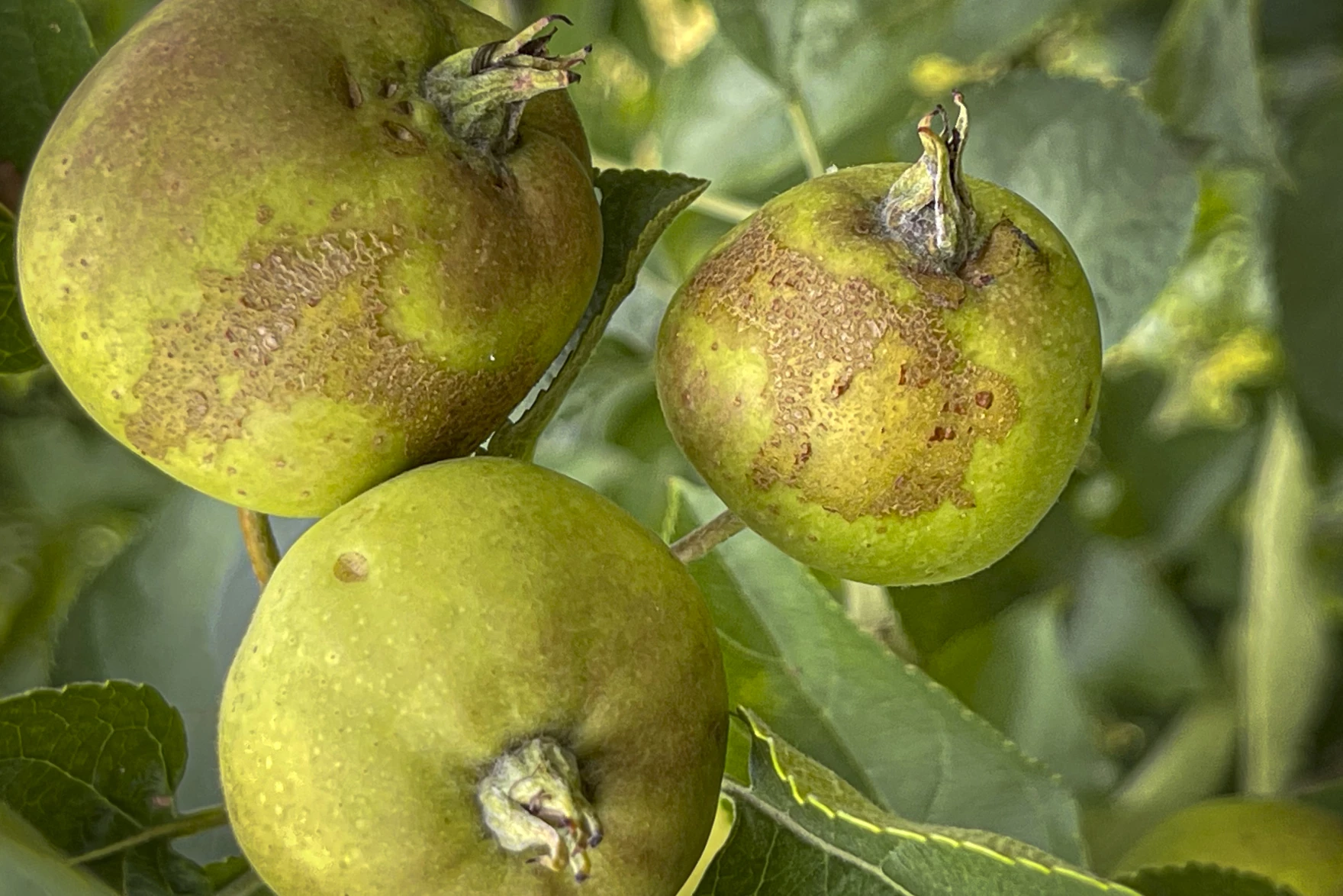
Connecticut farmers whose crops were damaged by an abnormal late-spring frost can now apply for federal disaster assistance, as they continue to adjust practices while contending with climate change.
Gov. Ned Lamont applied for the emergency declaration after temperatures sank below freezing the morning of May 18. Temperatures were above average the week before, speeding up crop development and making flowering crops more susceptible to cold weather damage.
Federal officials have now approved the aid request, which means eligible farmers across the state can apply for assistance, such as emergency loans.
John Lyman, an eighth generation farmer at Lyman Orchards in Middlefield, says he's considering applying for the aid.
The May 18 freeze damaged some of their apple crop and one-third of their raspberries, Lyman said. And that damage came on top of a February arctic blast that killed all their peach crop, which he said amounted to a revenue loss of $500,000.
The farm will also depend on other sales to make up for the loss, but Lyman said that could be tricky.
“We may have to be a little flexible during the season to make sure that we're getting people to where the best apples are,” Lyman said. “That could create some challenges that we aren't quite sure of at this point yet.”
Severe weather events like the May freeze can immedia
tely put some producers out of business, said Alissa White, who leads climate resilience programming in New England with the American Farmland Trust. The the approved federal aid is essential, she said, but extreme weather events will continue to make farming an economic challenge.
“It's an echo of a larger issue around the way that climate change impacts influence farm viability,” White said. “We think about these kinds of impacts happening more frequently, and farmers having to dig deeper into their assets to bounce back ". Over at Jones Family Farms in Shelton, Jamie Jones is a sixth generation farmer. When he saw the overnight forecast for low temperatures for May 18, he knew right away they would need to implement their irrigation frost prevention method to prevent damage to the strawberry blossoms.
Click here to see more...