By Nick Simmons
Recent reports of salmonella sickness by the Center for Disease Control (CDC) has caused an increased focus on animal-human interaction. According to these reports, over 100 people in multiple states have been ill with salmonella. The CDC states that the most likely cause is their interaction with live poultry in backyard flocks. More recently, there have been at least 18 outbreaks of Virulent Newcastle Disease in Southern California. This disease is a highly contagious and often fatal virus that affects the respiratory, nervous, and digestive system of birds and poultry. It is important to note that no human cases of Newcastle have been reported from the consumption of poultry products (proper handling and cooking is always important.)
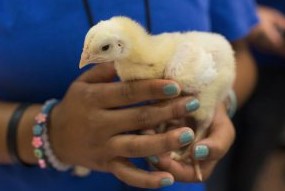
These reports are a good reminder that proper biosecurity by both small poultry flock owners and visitors should be exercised. It should come as no surprise that there are associated risks with livestock production, even in the smallest backyard flocks. Poultry are in constant contact with the outside world and their desire to scratch and peck the ground exposes them to numerous biological pathogens. Standard biosecurity practices within a home flock should become normal practice for poultry owners and can be easily implemented. Some steps you can take to best secure your flock include:
- Washing, rinsing and disinfecting feeders and waterers every week to 10 days. More often if heavily used
- Quarantine any birds that appear to have even slight to moderate symptoms of abnormalities
- Implement a pest control program, this should include rodents, insects, and snakes.
- Secure your poultry from natural predators, this may include a family pet like a dog or cat
- Limit the number of people who encounter your poultry, especially family or friends who own flocks
- Ensure you are acquiring birds from reputable sources. Most commercial hatcheries have stringent biosecurity measures at their facilities.
- Quarantine any new birds for at least 14-21 days before introducing them to your flock .
- Wash your hands before and after handling birds. A disinfectant by the coop can be handy as well.
Enjoying your backyard flock should be one of the delights of raising poultry on your own. They provide hours of entertainment and usually a few eggs each day! Ensuring that you and your animals are safe should be a top priority. As always, reach out to professionals, hatcheries, Extension agents, or other seasoned poultry owners for information.