By Sue Nichols
A new study in Scientific Reports shows that despite Brazil’s efforts in to limit the environmental impacts farming soybeans can bring, deforestation and soybean farming remain firmly linked, often in subtle ways.
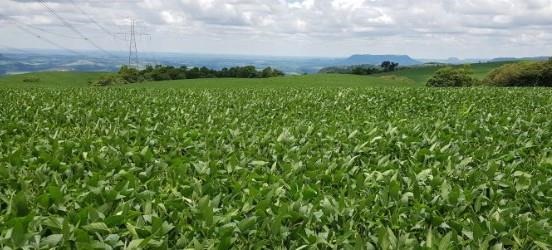
Growing and trading soybeans, a burgeoning global commodity for both human food and animal feed, has enormous environmental impacts. Some of that impact is obvious if critical forests are mowed down to grow soybeans. Some impacts are more hidden and demand a holistic method to tease out what is gained, and lost, in this massive undertaking to feed the world.
- Municipalities highly committed to sell their soybean production to domestic markets were more associated with deforestation compared to municipalities with send more of their production to international markets.
- Those municipalities that are big on sourcing soybean for domestic markets are in the Amazon biome. Those municipalities have the highest expansion of cattle activity (which indicates a higher association of soybean, pasture, and deforestation in agricultural frontiers).
- Impact: These finds are of critical importance as over the last decades sustainability supply chain efforts were concentrated on the soybean international flows and tropical deforestation. Brazil’s Soy Moratorium was the first agreement in the tropical forest, signed by major agro-business traders to stop purchasing soybean grown on lands deforested after July 2006. Soybeans destined for international markets represent more than 60% of Brazilian production. Cases where soybean production considered “not exported” may be incorporated into international markets through soybean “washing”, a way producers and trading companies can use to “clean” soybean from deforestation areas in Amazon before delivering it to international markets.
Recommendation: Supply chain agreements should expand their scope and attention to a more comprehensive understanding of the agricultural frontiers in tropical regions where sustainability agreements should not focus on a single commodity but envision production systems as a whole.
Source : msu.edu