Do you have some less productive land parcels that would qualify for CRP which would also be more profitable financially and environmentally than farming that land?
Source: USDA
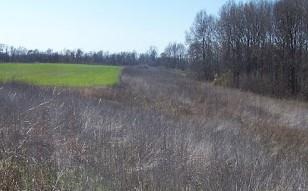
The Conservation Reserve Program (CRP) is a land conservation program administered by the Farm Service Agency (FSA) of USDA. In exchange for a yearly rental payment, (based on average cash rental rates) farmers enrolled in the program agree to remove environmentally sensitive land from agricultural production and plant species that will improve environmental health and quality. Contracts for land enrolled in CRP are from 10 to15 years in length. The long-term goal of the program is to re-establish valuable land cover to help improve water quality, prevent soil erosion, and reduce loss of wildlife habitat.
The 2022 General CRP signup runs from Jan. 31, 2022 to March 11, 2022, and the 2022 Grassland CRP signup runs from April 4, 2022 to May 13, 2022. The Continuous CRP Signup is ongoing. Producers interested in enrolling in CRP should contact the FSA office at their local USDA Service Center. The Natural Resources Conservation Service (NRCS) offices are also helpful in offering technical assistance.
Source : umn.edu