Nitrogen management continues to receive a lot of attention from farmers and the ag industry as a whole. Between the high prices experienced over the past few years and environmental issues, there is a lot to consider when making N fertilizer decisions. Building on the popular Nitrogen Smart program, University of Minnesota Extension is offering a whole slate of Advanced Nitrogen Smart courses this winter.
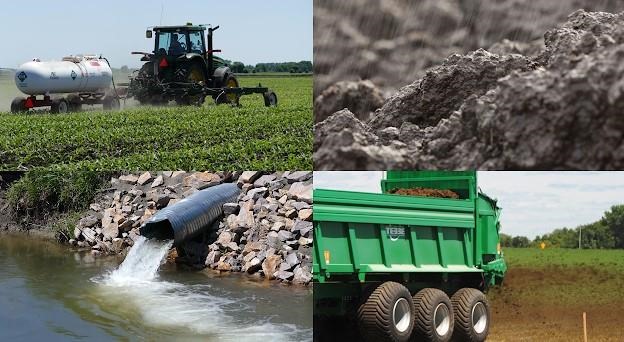
Four different topics are now being offered, giving attendees a chance to explore several factors that are important for making the right nitrogen management decisions for your operation:
- “A Deep Dive Into the 4 Rs”: This curriculum goes into detail on the different types of N fertilizer and how they are best managed, and includes a detailed look at how to determine the best N rate for a field in a specific year.
- “Adapting N Management to Climate”: This session looks at the stresses put on N fertilizer by temperature and moisture, with an eye on adapting management based on conditions.
- “Reducing Nitrate Loss to Water”: This new offering allows farmers and ag professionals to evaluate techniques and technologies aimed at improving water quality to achieve the best outcomes for their investment.
- “Manure Management”: This session goes into the specifics of using manure as a primary fertilizer source.
The first opportunities to attend in 2023 will include the “Deep Dive” and “Climate” trainings offered on January 17 in advance of Ag Expo in Mankato. There will be two “Nitrogen College” events where all four sessions will be offered over two days, Jan 31 – Feb 1 in Willmar, and Feb 28 – Mar 1 in Faribault. The new “Reducing Nitrate Loss to Water” session will be offered Feb 13 – 15 in Lamberton, Waseca and Paynesville. “Deep Dive” sessions will be held on Feb 16 in Ada and Mar 8 in Rochester, and the “Climate” sessions will be on Feb 17 in Morris and Mar 17 at the North American Farm and Power Show in Owatonna.
New this year: ag professionals who are Certified Crop Advisors can receive pre-approved CEUs for attending these workshops, with a total of 6 Nutrient Management and 6 Soil and Water for attending all four.
As usual, there is no cost to attend thanks to the support of Minnesota Corn Growers. Pre-registration is not required (with the exception of Jan 17). The detailed schedule including meeting times and locations can be found at: z.umn.edu/NitrogenSmart
Source : umn.edu