If you think livestock and quail don’t mix, a type of managed grazing may change your mind. USDA’s Natural Resources Conservation Service (NRCS) is accepting applications for a program that focuses on establishing productive warm season forages to improve livestock production and provide large areas of prime habitat for ground nesting birds and other wildlife.
Ohio’s Northern Bobwhite in Grasslands project is part of a national Working Lands for Wildlife (WLFW) partnership, a collaborative approach to conserving habitat for declining species on farms and working forests. NRCS works with partners and private landowners to focus voluntary conservation efforts on working landscapes.
The Northern Bobwhite in Grasslands project is designed to help bring back the quail that were once an integral part of Ohio’s farming way of life. Leading researchers have documented the wildlife benefits of managed grazing on native summer forages, concluding that this approach enhances the habitat for the ground nesting birds while improving livestock weight gains.
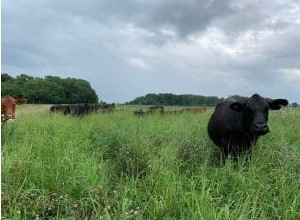
Warm season grasses are beneficial to both cattle, and quail
NRCS utilizes the Environmental Quality Incentives Program (EQIP) to offer technical and financial assistance to eligible livestock producers to implement conservation practices to address habitat loss without taking their land out of production. NRCS will conduct targeted restoration activities with a focus on 30 southern Ohio counties.
Source : osu.edu