Despite an extremely wet spring, government forecasts indicate a large corn and soybean harvest this season. While yield estimates can change, grain marketing experts say farmers who have adequate on-farm storage stand to profit on both basis appreciation and market carry by holding and delivering their grain post-harvest.
“In regions with big crops, storage will help producers avoid poor basis in the fall and see much better gains going into winter and spring,” said Adam Dryer, a consultant with Blue Reef Agri-Marketng in Morton, Illinois. “In most cases, it is very realistic to see 20- to 30-cent basis gains.”
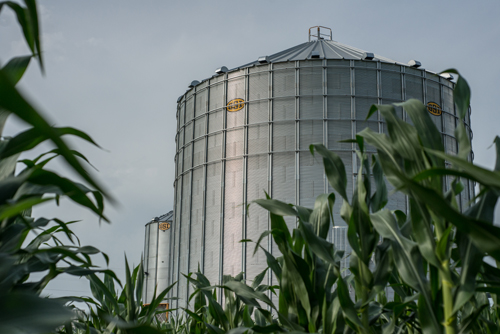
Basis is the difference between the cash price paid for farmers’ grain and the Chicago Board of Trade price, determined by such factors as current grain prices, transportation costs and storage cost/availability. Improved basis, combined with higher prices farmers can typically receive by contracting their grain for future delivery – known as market carry – can mean a higher rate of return for producers.
“Rates of return for building storage facilities are among some of the best of any on-farm investment,” Dryer said. “As with any type of farm expenditures, careful consideration should be given to cash flow and equity positions.”
Greg Trame, GSI global product manager for storage, said on-farm storage systems give farmers more control over marketing their grain. “Producers with infrastructure in place can benefit not only this season, but also in future years,” he noted. “This is how grain storage pays off.”
Trame said in addition to higher margin opportunity, having access 24-7 to their own grain storage and drying equipment enables farmers to harvest their grain early, when conditions are optimal, avoiding possible grain damage that can occur when crops are left too long in the field to dry.
Click here to see more...