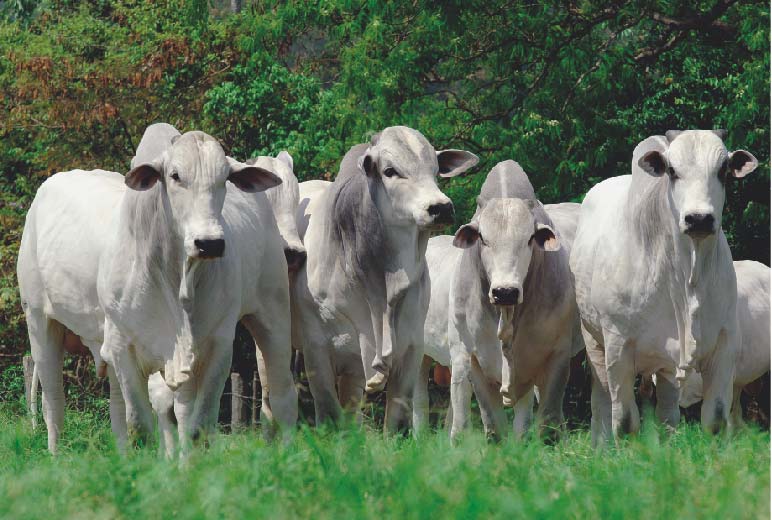
Fresh beef from South America is headed to the United States. On Monday, the U.S. Department of Agriculture’s Animal Plant Health Inspection Service released their final rules for the importation of fresh beef from northern Argentina and a region in Brazil. With this step by the Administration, these areas have a known history of Foot-and-Mouth disease would be allowed to begin the inspection process to import fresh and frozen beef products into the United States. National Cattlemen’s Beef Association Vice President of Government Affairs Colin Woodall said this particular rule is especially disappointing to NCBA.
“It’s extremely disappointing news because we have been working for several years now to push back against these proposed rules, which are now final, because we have a lot of concerns about the process USDA went through to formulate these rules,” Woodall said. “We are all about trade. We believe in trade, trade is extremely important to the international beef market and the U.S. beef market, but we need trade based on science and right now there is nothing about the process that USDA when through that can help us understand that they have truly measured the risk, that they have proven there are mitigations to the risk and we can be safe and that’s concerning to us."
Radio Oklahoma Network Farm Director Ron Hays featured Woodall on the Beef Buzz feature. Click or tap on the LISTEN BAR below to listen to today's Beef Buzz.
NCBA believes USDA “failed in the process” when it came to this decision with Argentina and Brazil. Woodall said the first thing USDA should have done was a quantitative risk assessment. He said USDA really need to dig into what’s going on in Argentina and Brazil and what those countries are doing to protect their domestic cattle herd, but also any herd of the countries they trade with. Further, he said USDA was supposed to do site visits, where they would have done inspections and seen what was going on and reported to stakeholders on what they found.
“We understand that there were site visits conducted, but they never reported on them, so we have no idea what they saw and what they found,” Woodall said.
When NCBA tried to get documentation on the how USDA-APHIS formulated these importation rules, NCBA had to use the “Freedom of Information Act”. Once NCBA received that information, Woodall said much of the information about Brazil was in Portuguese and the information about the conditions in Argentina was in Spanish and the U.S. government would not provide translations of the reports.
“So obviously they are looking out for foreign stakeholders, more than they are domestic stakeholders,” Woodall said.
Click here to see more...