By Sarah Lancaster
This year’s short, thin wheat crop is generating some discussion regarding what to do with weeds at this point in the growing season. Broadleaf weeds that grow rapidly at the end of the growing season present several potential concerns, such as harvest difficulties, dockage problems, weed seed production, soil water depletion, and potential interference in summer crops planted after wheat harvest. Unfortunately, once wheat has reached the boot stage, there are no herbicide options until wheat begins to dry down and herbicides can be applied as harvest aids. The decision to spend resources on a herbicide application that will not directly influence crop yield is a difficult decision to make; however, pre-harvest applications may be beneficial this year.
Herbicides labeled for use as harvest aids in wheat are listed in Table 1. There are differences in how quickly they act to control the weeds, the interval requirement between application and grain harvest, and the level or length of control achieved. All of them will require thorough spray coverage to be the most effective. Paraquat is sometimes mentioned as a possible herbicide for pre-harvest application but is not labeled for pre-harvest treatment in wheat. Application of paraquat to wheat is an illegal treatment and can result in quarantine and destruction of the harvested grain, along with severe fines.
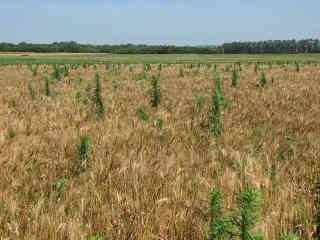
Figure 1. Weeds in wheat near harvest time. Photo by Dallas Peterson, K-State Research and Extension.
Table 1. Herbicides for use a pre-harvest weed control options in wheat.
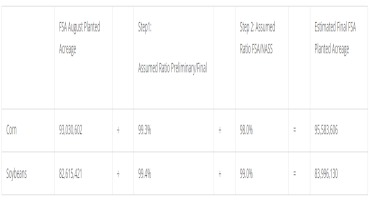
*PHI = Pre-harvest interval, or days required between application and harvest.
For more detailed information, the “2023 Chemical Weed Control for Field Crops, Pastures, and Noncropland” guide is available online at
https://www.bookstore.ksre.ksu.edu/pubs/CHEMWEEDGUIDE.pdf or check with your local K-State Research and Extension office for a paper copy.
Source : ksu.edu