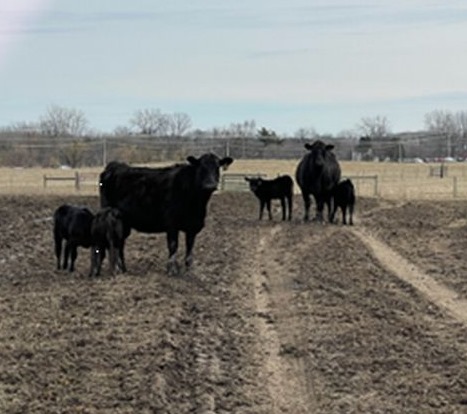
Now that April is here, spring and lush green pastures are nearing and can’t come quick enough. For the farm crew, the beginning months of the year have been a battle of mud and fluctuating temperatures. Luckily, nearly all cattle at the beef center have stayed healthy. We had nearly 50 calves born the last week of January where students in ANS 222 were able to conduct calf watch sessions around the clock, witness the birthing process, and get involved in calf processing. The 2023 calving season was extremely successful boasting a 0% mortality, morbidity, and dystocia rate.
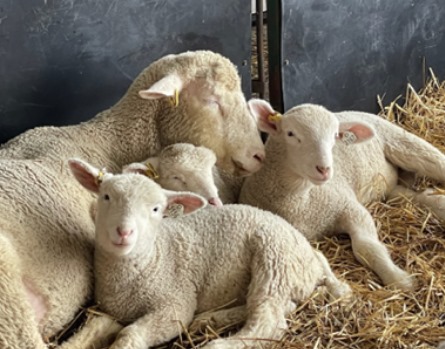
The crew also completed the winter lambing season early March and from a management standpoint, it was also highly successful with low death loss, good lamb drop rates, and low dystocia numbers. As a Farm Manager, I am extremely proud of the work and care my crew delivers daily. It is unique in the fact that we can lamb 150 ewes and calve 85 cows out in the same couple of weeks while maintaining our teaching and research obligations of the colleges we serve.
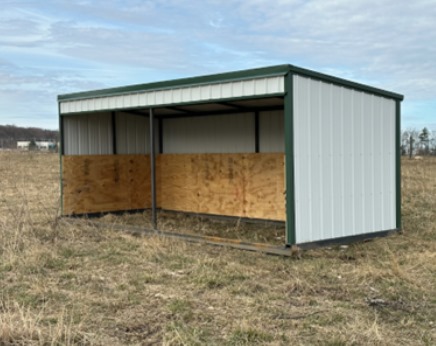
Pictured above is one of the new animal shelters that just arrived on Wednesday. These will replace the old ones that the unit had to tear down for being in disrepair. These shelters are essential for animal welfare in our pastures to block the sun in the summer and offer protection in the winter months. We purchased a total of 4 and over half the funds were contributed by Agibio Research and Extension.
Source : msu.edu