By Aaron Berger
Pasture rental rates in Nebraska are at a premium right now compared to the rest of the country. It will be interesting to see how long these prices last under current cattle market conditions and with harvested feed and grains being priced where they are currently.
For purposes of this example the following assumptions are used.
A cow-calf pair (1200 lbs. cow and 300 lbs. calf) grazing in the summer eats on average 1.5 Animal Unit Month equivalents (an animal unit month is equal to 780 lbs. of air dried forage) per month which is equal to 1200 lbs. of air dried forage.
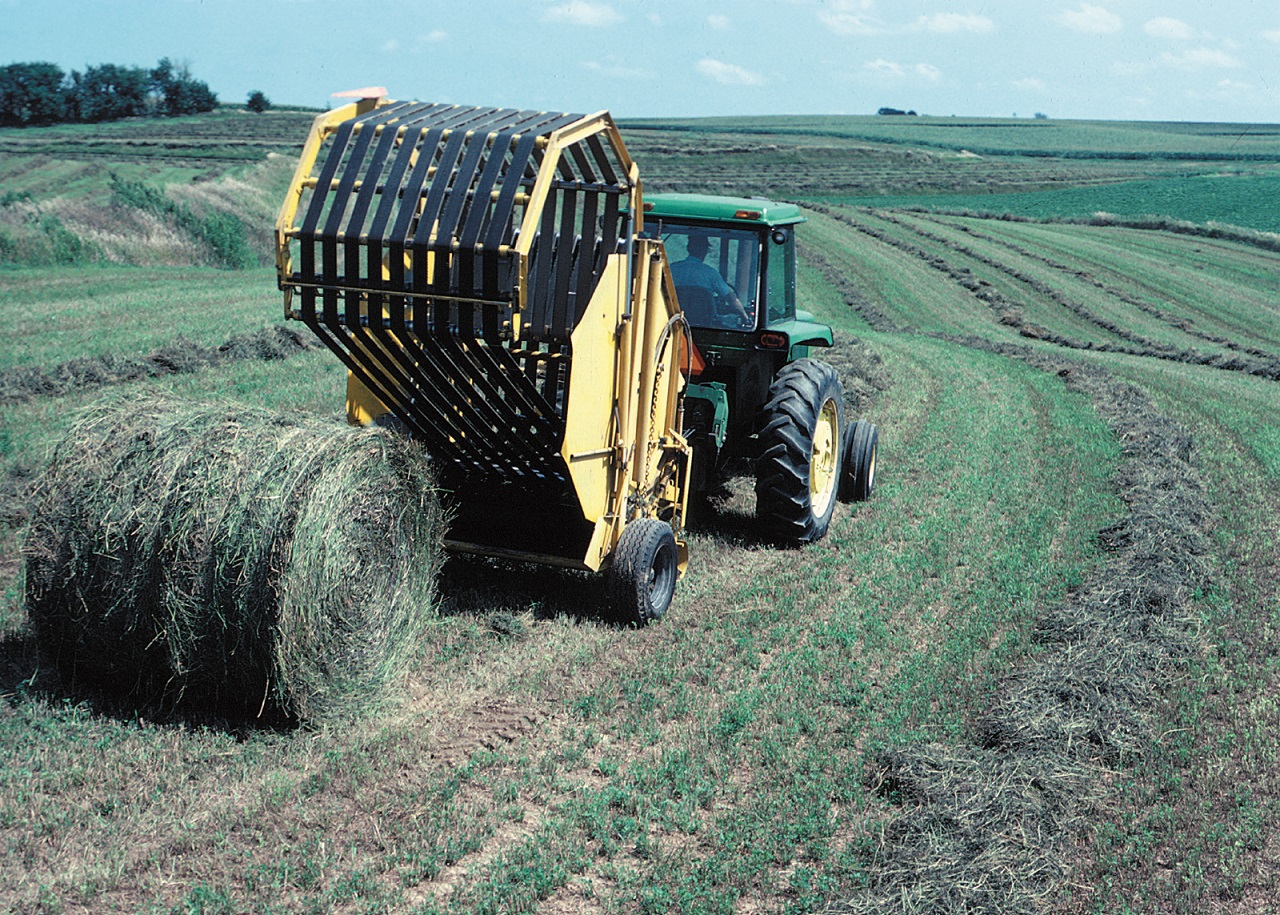
Current market prices for harvested feed are competitive in many cases with pasture rental rates when compared on a price per ton basis.
The following is an example of valuing that air dried forage going into the cow on a per ton basis.
SUMMER GRAZING PRICE ; EQUIVALENT PRICE PER TON FOR HAY
$30/pair/month ; $50/ton
$40/pair/month ; $67/ton
$50/pair/month ; $83/ton
$60/pair/month ; $100/ton
$70/pair/month ; $117/ton
$80/pair/month ; $133/ton
$90/pair/month ; $150/ton
Currently hay can be bought in Nebraska for a cost per ton equivalent that in many cases is equal to or less than the cost per ton for forage being consumed through grazing rates being paid for cow-calf pairs. The quality of grazed grass early in the grazing season will likely be equal to or better than hay. In the later summer and fall the quality of the hay, based on energy and protein, may be better than grazed forage. With hay there is the additional cost of labor and equipment and the waste loss that occurs in the storage and feeding process that needs to be taken into account. However, when hay is purchased and fed, nutrients are being brought in that have value when they are captured and utilized effectively.
Summer pasture rental rates in Nebraska have seen sharp increases over the last several years with wide ranges being paid per cow-calf pair per month depending upon a variety of factors. Current market prices for harvested feed are competitive in many cases with pasture rental rates when compared on a price per ton basis. The quality and value of the forage being consumed either by grazing or as hay needs to be taken into account as producers consider grazing and feeding options for the cow herd this summer and fall.
Source:unl.edu