By Dr. Jayson Lusk, Regents Professor at Oklahoma State University
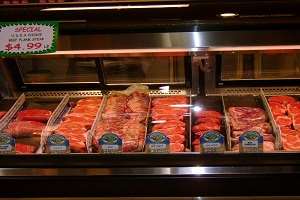
Each month, approximately one thousand consumers are surveyed by Dr. Jayson Lusk, Regents Professor at Oklahoma State University, on their willingness to pay for food products, particularly meat products like beef, pork and chicken. He’s been doing this for more than three years now. Farm Director Ron Hays had the opportunity to speak with Dr. Lusk on what he has learned thus far, from conducting these surveys.
“Probably the most important takeaway for me is that demand for meat products has remained very stable over the last three years,” Lusk said.
There are ups and downs from month to month, he says. Some months seem to make more sense than others regarding consumers’ reasoning but he illustrates that looking at the broad view of the data, consumer demand has stayed relatively steady, if not slightly increasing.
Lusk says this clarification is important for a number of reasons. He explained to Ron, two of the most important lessons learned from this data. One, he says, is that for many years, red meat has gotten a bad rap from the media quoting allegations of health risks and supposed environmental impacts associated to beef and other meats. He claims though that the results of the survey show that consumers aren’t buying that narrative.
“Whatever impacts those issues have been having in the news they really haven’t had much impact on consumer demand per se,” Lusk said. “I think that’s been pretty interesting that demand has been very resilient.”
Click here to see more...