 The United States Cattlemen’s Association (USCA) applauds this week’s Senate Appropriations Committee passage of the 2016 agriculture spending bill. Thursday's Senate passage followed the House’s action on similar legislation; both mark-ups were consistent in showing support for issues facing the U.S. cattle industry.
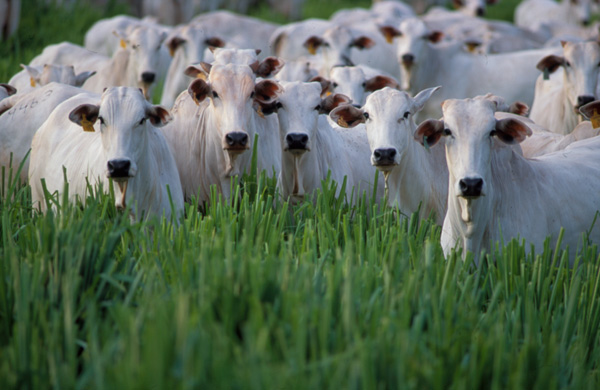
Both the House and Senate versions include provisions in their respective Manager’s package that halt the United States Department of Agriculture Animal Plant Health Inspection Service (USDA-APHIS) from implementing, or moving forward, with allowing imports of beef products from Argentina and Brazil. This issue has been of utmost concern to USCA and the industry and USCA has issued its official opposition to the proposed change in trade on numerous occasions.
USCA President Danni Beer commented on this provision, “USCA applauds the House and Senate for including this necessary restriction of funds in their 2016 agriculture spending bills. The import of beef products from Brazil and Argentina is widely opposed throughout all sectors of the industry. We appreciate Senator Jon Tester (D-MT) and Rep. David Valadao (R-CA21) who acknowledged this concern and acted with the appropriate language to restrict any further movement towards trade.”
A rider was also passed in the House spending bill that would reinstate funding for inspectors in horse processing facilities. Beer commented, “Horse processing is an ongoing issue faced by those in our industry and across rural America. This is a positive first step toward reinstating horse processing in the U.S. However, the Senate did not follow the House's action on this issue, they again voted to continue to ban funding for required inspectors. USCA will continue to inform Members of the Senate of the need for funding to allow horse processing in the U. S.”
Click here to see more...