Finding ways to store freshly harvested fruit and vegetables is a big problem for smallholder farmers in Ghana in West Africa.
Produce can rot quickly in outdoor temperatures, and transporting it to market isn’t an option for many small-scale farmers.
Almost 90% of smallholder farmers in Ghana sell their produce at the farm gate, news site Business Ghana reports.
Solar powered cold storage
Now a company called AkoFresh is providing solar-powered refrigerated storage that it says extends the shelf life of perishable crops from about 5 days to 21 days.
Farmers can rent a space in the cold store for a daily fee of $0.30 per 20 kilogram crate of produce, or take up a weekly subscription. They can also pay for the cold storage with crops instead of cash.
To help farmers reduce food losses and sell their produce at competitive prices, the solar powered cold storage service also includes a mobile app that connects them to food aggregators. These are organizations that consolidate and distribute agricultural products, explains Ghana state-owned food company NAFCO.
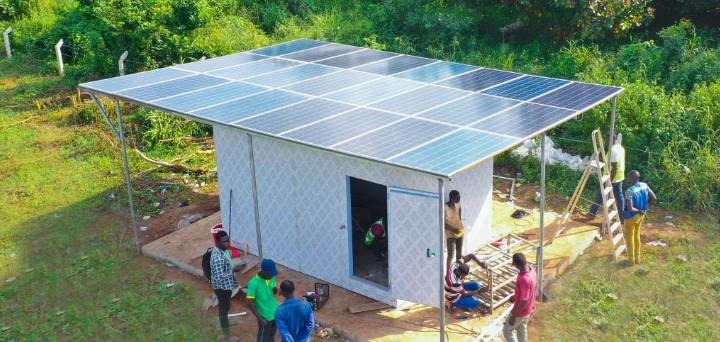
This solar powered cold storage is helping farmers in Ghana keep freshly harvested produce cool.
Food waste is a risk in Africa and globally
AkoFresh says it wants to halve the volume of crops lost after harvest across 10 communities in Ghana over the next 5-10 years.
This will boost seasonal income for farmers by more than $10 million, as well as reduce greenhouse gas emissions by 15%, it says.
About a third of all food produced globally – around 1.3 billion tonnes – is wasted, estimates the United Nations Food and Agriculture Organization, a specialist agency that works to eliminate hunger, food insecurity and malnutrition.
Click here to see more...