Hot dogs and sausages among the staples of ballpark fare
By Diego Flammini
Assistant Editor, North American Content
Farms.com
As Major League Baseball continues its opening week festivities, we are reminded of the sights, sounds and smells that come from a ballpark.
Freshly popped popcorn and an ice cold beer are among the must-haves at a baseball game (and made possible by farmers, too.) But perhaps the most traditional ballpark snack is a hot dog or sausage -- and hog farmers should be excited, because according to the National Hot Dog and Sausage Council (NHDSC), a lot of hot dogs and sausages are going to be eaten this season.
The Council estimates that approximately 19.4 million hot dogs and 4.3 million sausages will be devoured during the course of the 2016 season. That’s enough hot dogs to reach as high as 5,425 One World Trade Centers!
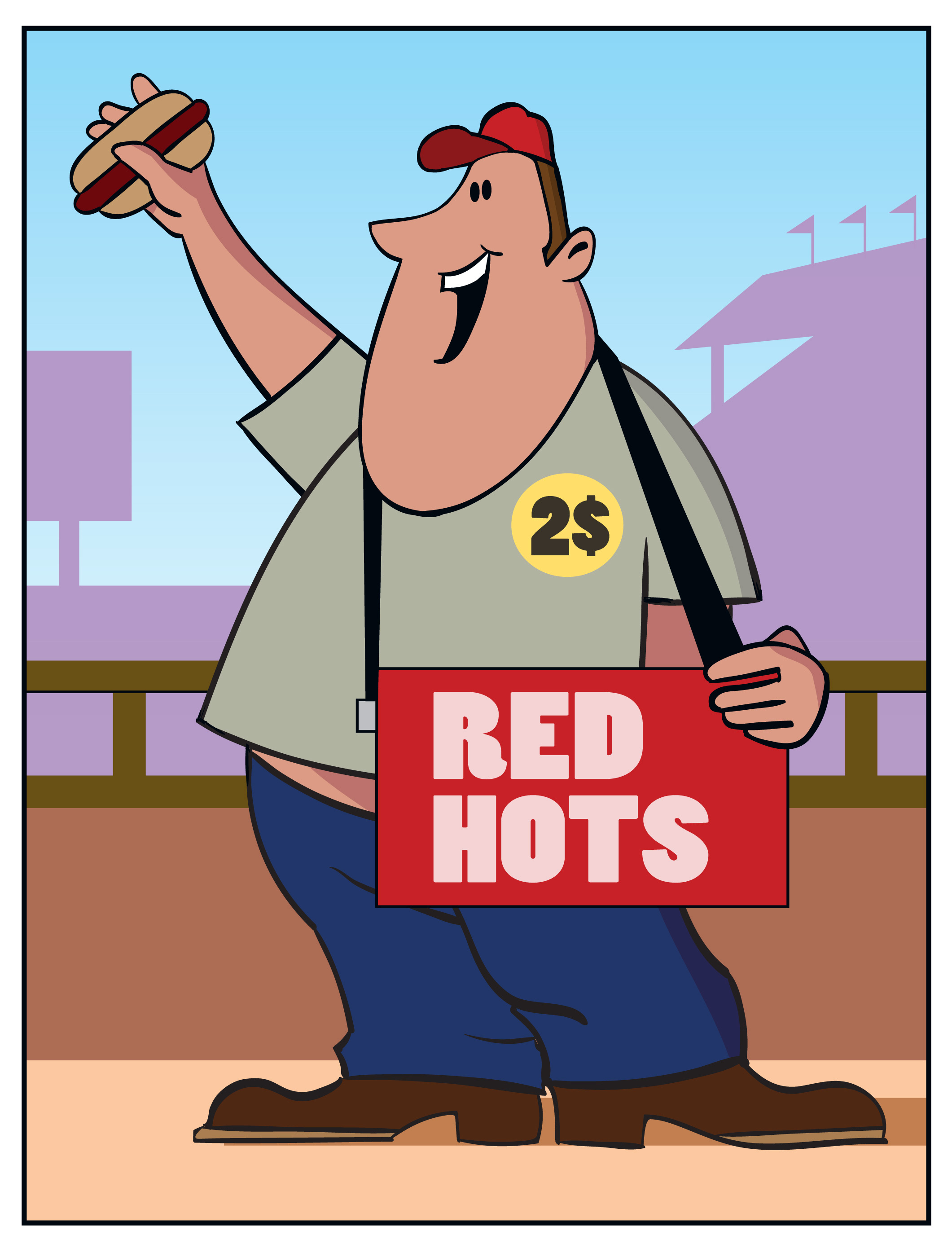
“There are challengers galore, but hot dogs remain king of the concession stand,” NHDSC President Eric Mittenthal said in a release.
Fans of the Los Angeles Dodgers are expected to consume more than 2.6 million hot dogs – the most of any MLB fan base.
Supporters of the San Francisco Giants are expected to sell approximately 475,000 sausages.
According to the 2012 United States Department of Agriculture’s Census of Agriculture, hog and pig farming was a $22.5 billion industry, a 25 per cent increase since 2007.
The top three states in terms of sales were Iowa with $6.8 billion, North Carolina with $2.9 billion and Minnesota with $2.8 billion.
Despite ranking second in sales, two of North Carolina’s counties were in the top three in hog and pig sales. Duplin, North Carolina sold $614 million, Sampson sold $518.4 million and Sioux, Iowa rounded out the top three with $417.2 million in hog and pig sales.
Join the discussion and tell us what stadium has the best baseball hot dog.