Commissioner Steve Troxler issued an emergency order
By Diego Flammini, Farms.com
In response to the discovery of the emerald ash borer in many counties across North Carolina, Agriculture Commissioner Steve Troxler has signed an emergency order expanding the quarantine to the whole state.
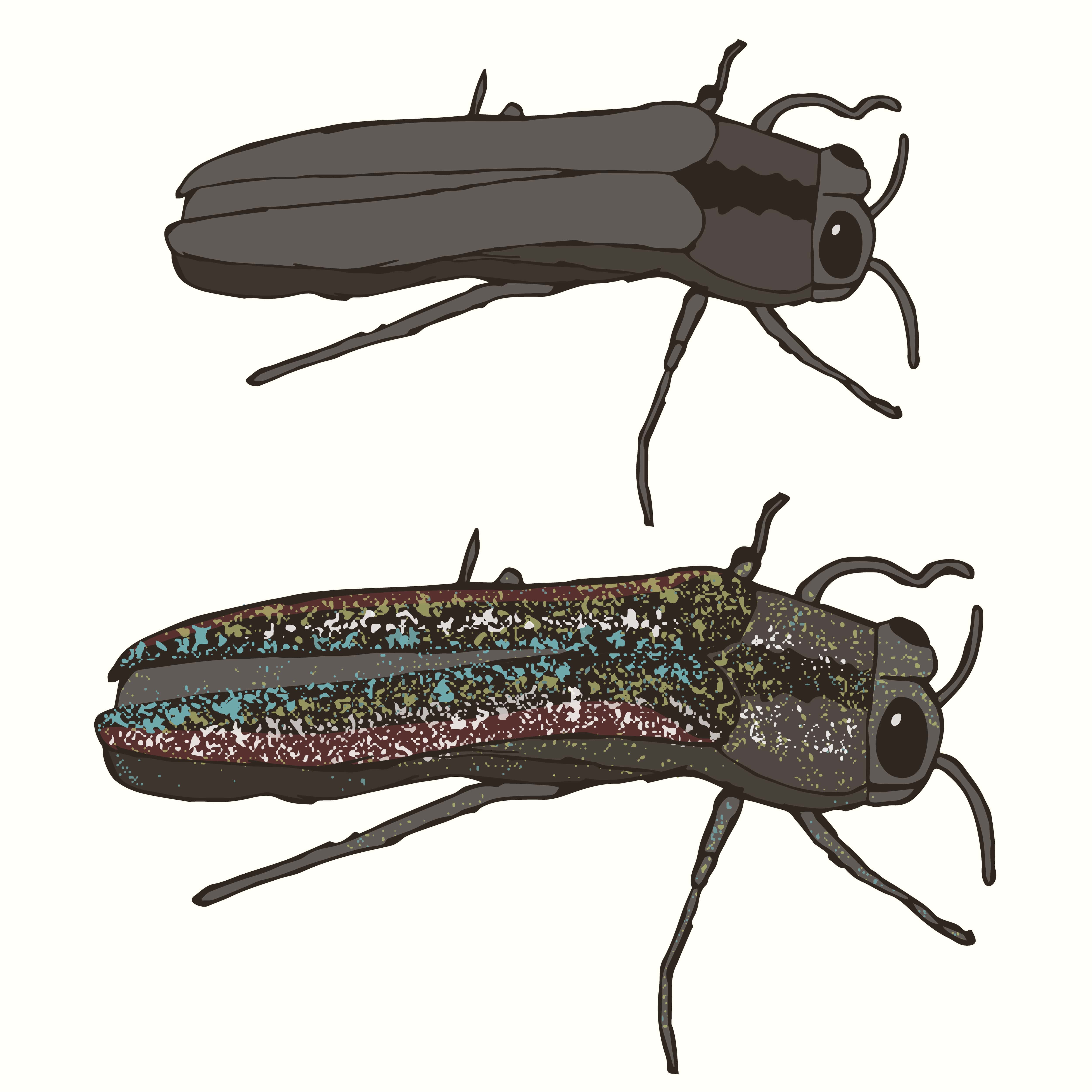
“We have surveyed the state to see if we could find evidence of this highly destructive pest in previously undetected counties,” said Agriculture Commissioner Steve Troxler. “Our staff have now turned up evidence of emerald ash borers in the central, eastern and western parts of the state, including areas near the borders with Virginia, Tennessee and South Carolina.”
Initially the quarantines were in Durham, Graham, Johnston, Orange, Wilson, Franklin, Wake and Wayne counties, spread out between March, June and July.
Hardwood firewood plants, and parts of the ash tree are still allowed to be moved – albeit only within the state, with the exception of firewood that’s been treated and certified under federal regulations.
Moving items to non-quarantined areas is currently prohibited.
North Carolina currently grows four types of ash trees and the emerald ash borer will attack all of them.
“This is a devastating pest to ash trees, eventually killing the trees where the insects are found,” Troxler said.
Symptoms of emerald ash borer
- General decline in tree’s appearaqnce
- Clumps of shoots emerging from the trunk
- Increased woodpecker activity
- D-shaped exit holes (made by adults)
- Feeding galleries found under the bark
Have you been affected by emerald ash borer in the past? If so, what measures did you take to ensure your trees were safe?