Department of Agriculture encouraging station usage
By Diego Flammini, Farms.com
As farmers around the United States prepare for fall nitrogen application, the Minnesota Department of Agriculture (MDA) is encouraging farmers in the state to be mindful of soil temperature before applying ammonium-based nitrogen fertilizers.
“In areas where fall nitrogen applications are appropriate, soil temperature, not harvest progress, should be your guide of when to apply,” said Bruce Montgomery, manager of the MDA Fertilizer Management Section in a release. “Waiting until soil temperature stays below 50º F before applying anhydrous ammonia and urea increases the availability of nitrogen to next season’s crop and decreases the amount of nitrate that could potentially leach into groundwater.”
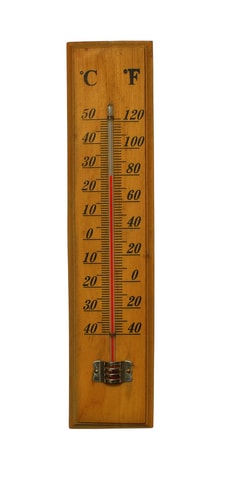
0In an effort to assist farmers with temperature readings, 21 real-time soil temperature monitoring stations have been set up throughout Minnesota. The stations measure the temperature at a depth of six inches and the data from the stations is updated every 15 minutes using satellite technology from the Minnesota Department of Natural Resources and the National Weather Service.
Dr. Mark Seeley, a climatologist with the University of Minnesota Extension, said that in Northern Minnesota, soils could see 50°F temperatures by the first week of October and fourth week of October in the southern parts of the state.
Because different regions have different weather characteristics, MDA has outlined some nitrogen use recommendations to be considered depending on where the farm is situated.
Join the conversation and tell us if you’ll consider using the soil temperature stations. What kind of benefits could they have for your farm?